 Avis sur




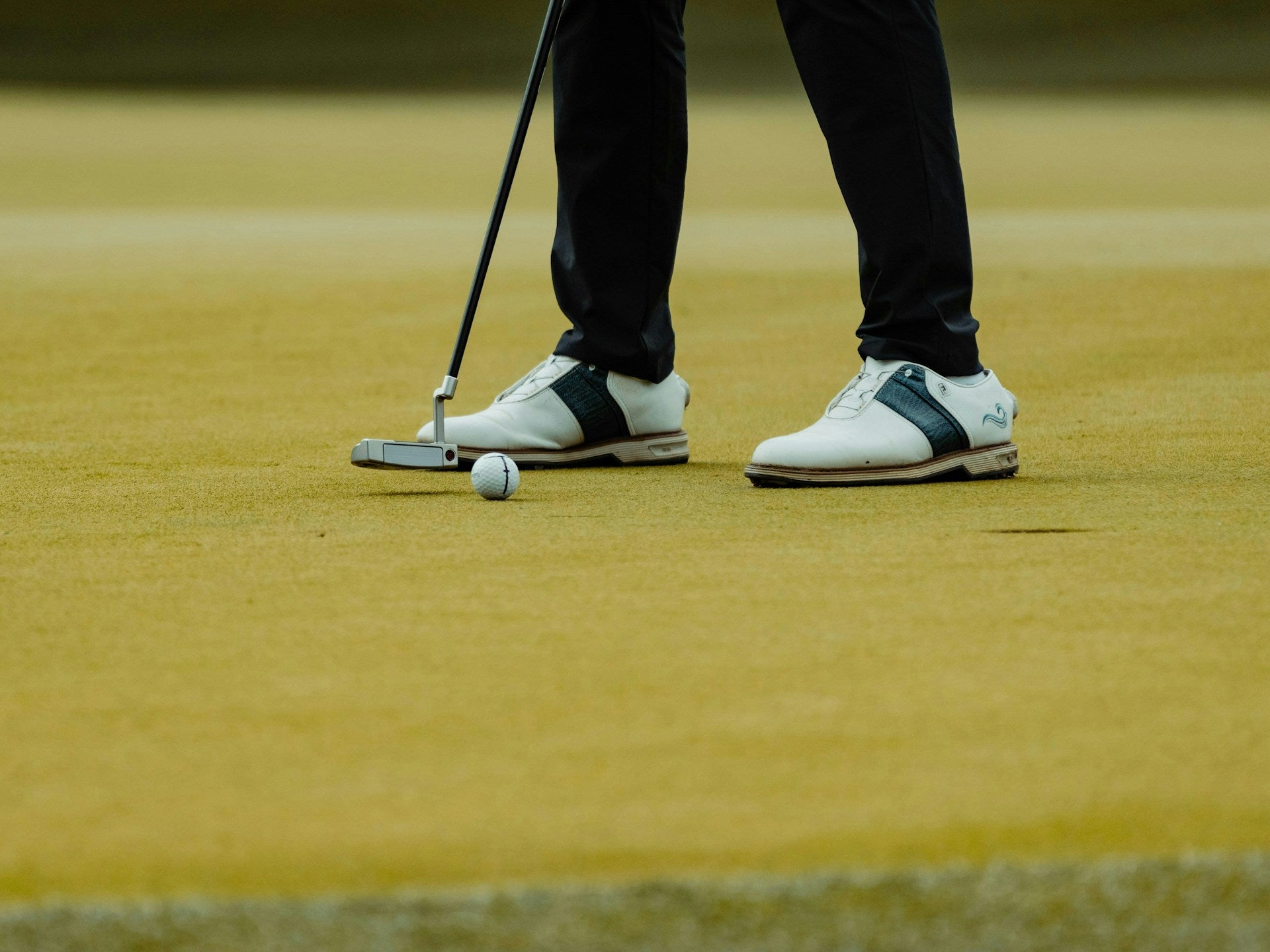
Standing over a six‑footer for par, your putter is the only club that matters. Yet it’s also the club most golfers in Canada spend the least time thinking about. If you’re debating blade vs mallet putters, you’re already ahead of the game.
This guide breaks down the real‑world differences between blade and mallet putters, how each affects your stroke, distance control, and consistency, and how to choose the right style for your putting stroke and typical course conditions. We’ll cover performance, technology, and practical buying considerations—without pushing you toward one “right” answer, because there isn’t one.
Introduction to Putter Types
Blade putters and mallet putters are simply two different ways to solve the same problem: getting the ball in the hole with as few strokes as possible. The difference lies in how they’re shaped, how they feel, and how they react when you don’t hit the ball perfectly out of the centre.
Blade putters are the traditional design you’ve seen for decades. Think of a slim, compact head with most of the weight behind the face. Classic models used by tour professionals in the ’70s, ’80s, and ’90s were almost all blades. They evolved from simple, flat chunks of metal into finely milled tools with better feel, but the basic silhouette stayed the same: narrow, elegant, and built for players who like to “release” the putter through impact.
Mallet putters came later, gaining real traction in the late 1990s and 2000s as golf engineers started to focus on Moment of Inertia (MOI)—a measure of how resistant the head is to twisting on off‑centre hits. Mallets have larger, often more complex shapes, with weight pushed to the perimeter and rear of the head. This design dramatically boosts stability and forgiveness, especially when your strike isn’t perfect.
From a design and stability standpoint:
-
Blades: compact, toe‑weighted, great for feel and precision, less stable on mishits.
-
Mallets: larger, high‑MOI, great for stability, alignment, and forgiveness, sometimes less “workable” for touch‑oriented players.
Today’s putter technology has blurred the lines. Many blades include higher‑MOI design tweaks, and many mallets are more compact and refined than the giant “spaceships” of old. Still, the core distinction remains: blades prioritize traditional feel and control; mallets prioritize stability, forgiveness, and alignment help.
Understanding those trade‑offs is the first step before you even think about brands, prices, or grip styles.
Performance Characteristics
Stroke type compatibility
The biggest performance question in the blade vs mallet putters debate is how each style fits with your stroke type.
Broadly, golfers fall into two categories:
1. Arced putting stroke
-
The putter travels slightly inside the target line on the way back, returns to square at impact, then moves inside again on the follow‑through.
-
This natural arc is common for players who stand a bit farther from the ball and let the putter swing like a mini‑version of a full swing.
2. Straight‑back‑straight‑through stroke
-
The putter head tracks very close to the target line going back and through.
-
This style is often associated with more upright setups and players who like to feel as though the shoulders rock, while the hands and wrists stay quiet.
Blade putters generally pair best with an arced stroke. Most blades are designed with toe hang—the toe of the putter droops down when you balance the shaft on your finger. This toe‑hang design allows the face to open slightly on the way back and close through impact in sync with your arc. If you try to force a straight‑back‑straight‑through stroke with a strongly toe‑hung blade, you can end up fighting the club’s natural tendency to rotate.
Mallet putters, especially face‑balanced models, typically complement a straight‑back‑straight‑through stroke. With the face balanced, the putter wants to stay square to the path, making it easier for players who like minimal face rotation. That’s why many putting coaches pair higher‑handicap or more mechanical players with mallets—they reduce variables.
A quick home test: put a chalk line or club on the carpet and film your stroke from above. If the putter head clearly moves inside the line and back, you likely benefit from a blade or a mallet with toe hang. If it tracks almost dead straight, a face‑balanced mallet will usually feel more natural.
Alignment aids
Alignment is the second major performance separator between blade and mallet putters.
Blade putters usually offer minimal alignment aids:
-
A single top‑line dot or short line.
-
Occasionally, no marking at all on more traditional designs.
This forces you to rely more on your eyes, setup, and practice. Many better players like this simplicity because it keeps distractions off the top of the club and lets them “see” the line rather than be guided by paint and graphics.
Mallet putters are built to maximize alignment help:
-
Long sight lines that extend from the face to the back of the head.
-
Multi‑line systems that frame the golf ball.
-
Contrasting colours or shapes (e.g., three white lines on a black body) that make it easier to square the face.
These alignment aids can be a game‑changer if you struggle to aim the face correctly—one of the most common amateur putting issues. Even if your stroke is good, poor initial aim means you’re always compensating with last‑second hand action.
On fast Canadian summer greens or sloped, tricky surfaces, the ability to start the ball on line is everything. Aligning consistently with a mallet’s visual cues can take pressure off your stroke, especially under tournament or league pressure.
That said, some players find heavy alignment graphics visually “busy” and distracting. If you’re one of them, look for a cleaner mallet design or a blade with a simple, single line. How your eye reacts at address is just as important as the engineering.
Performance and forgiveness
Performance isn’t just about your perfect stroke—it’s about what happens on your worst strokes. That’s where forgiveness, distance control, and off‑centre hits come in.
Mallet putters and forgiveness
Mallets typically have a much higher Moment of Inertia (MOI) because the weight is pushed to the perimeter and rear of the head. When you miss the sweet spot:
-
The face twists less.
-
The ball starts closer to your intended line.
-
You lose less distance.
On long putts, this can be huge. A strike slightly toward the toe with a mallet may still roll close to your intended distance and direction, leaving a tap‑in instead of a stressful five‑footer.
Blade putters and performance
Blades usually have lower MOI and are less forgiving on mishits, but that’s only part of the story. Many experienced players feel blades offer:
-
More precise distance control when struck well, due to clearer feedback.
-
Better “workability”—the ability to slightly alter pace and face angle by feel.
-
Softer or more responsive feel, especially in milled steel models.
In other words, a blade can reward a repeatable stroke with incredible precision. It will, however, also tell you very clearly when you’ve missed the centre, both in feel and result.
Consistency trade‑off
For higher‑handicap or occasional golfers, a mallet’s stability tends to deliver more consistent lag putting and fewer three‑putts. For lower‑handicap golfers who value touch and can strike the centre reliably, a blade may produce tighter dispersion because they can finely tune pace and face angle.
The key is being honest about your current skill level and how often you practise putting. If most of your rounds are nine‑hole twilight loops after work, more forgiveness will usually help your scorecard more than hyper‑precise feel.
Choosing the Right Putter
Once you understand how blade vs mallet putters differ in design and performance, choosing the right model comes down to a blend of MOI, stroke type, personal preference, and typical course conditions.
Focus on MOI and stability
Modern putter technology offers blades and mallets across a spectrum of MOI:
-
Low‑MOI blades: maximum feedback, minimum forgiveness.
-
Mid‑MOI blades / compact mallets: a balance of feedback and stability.
-
High‑MOI mallets: maximum stability and forgiveness.
If you find your putts often come up short or long on mishits, or you feel the head twisting on off‑centre hits, you’ll likely benefit from mid‑ to high‑MOI designs. That typically means a mallet, or a blade engineered with perimeter weighting.
Match putter to stroke type
Use this simple framework:
-
Arced stroke
-
Best fit: blade putter with moderate toe hang.
-
Alternative: toe‑hang mallet (many modern mallets now offer this), giving you more forgiveness without fighting your arc.
-
Straight‑back‑straight‑through stroke
-
Best fit: face‑balanced mallet.
-
Alternative: slightly face‑balanced or mid‑hang blade if you prefer a traditional look but still want some stability.
If you’re unsure, getting a basic putter fitting or using a putting mirror and smartphone video can reveal your natural stroke pattern. For a deeper dive on how specific club specs affect performance, you can also explore broader guides like “what is golf club fitting” for context on the fitting process.
Consider course conditions in Canada
Canadian golfers deal with a wide range of green conditions:
-
Early spring / late fall: slower, bumpier greens. High‑MOI mallets can help keep the ball on line and reduce the impact of imperfections.
-
Mid‑summer: faster, smoother greens at many clubs. Some players prefer the softer touch and feedback of a blade in these conditions.
If most of your golf is on public courses with slower greens, a heavier, high‑MOI mallet can help with distance control by promoting a smoother stroke and better roll. On consistently fast private or high‑end public tracks, a blade or compact mallet can offer excellent touch on those quick downhill sliders.
Don’t ignore personal preference
Finally, how the putter looks and feels matters. That confidence factor is hard to quantify but easy to feel: if you stand over the ball and the head shape or alignment lines make you doubt your aim, it’s the wrong putter for you—no matter what the spec sheet says.
Commercial Considerations
Once you’ve narrowed down blade vs mallet putters from a performance standpoint, it’s time to think like a buyer, not just a golfer.
Budget vs value
Putter prices vary widely, from entry‑level models to premium milled designs. As a rule:
-
A well‑fitted, mid‑priced putter will usually outperform an expensive but ill‑fitted one.
-
Because you use your putter on almost every hole, it’s one of the few golf clubs where spending a bit more can pay off for years.
If you’re also building the rest of your bag—drivers, irons, wedges, and other golf clubs—you may want to prioritize putter and wedges, as they directly influence your scoring.
Top‑brand products and models
Reputable brands invest heavily in putter design, MOI optimization, face inserts, and alignment tech. That doesn’t mean smaller brands can’t make great putters, but with top‑brand products you typically get:
-
Proven performance on professional tours.
-
Better quality control and material consistency.
-
More options in neck styles, lengths, and grip options.
When browsing golf putters in Canada, compare not only head shape but also shaft length, lie angle, and grip size. These “fitting” details often make more difference than the logo on the head.
Don’t forget accessories and setup
Your putter doesn’t work in isolation. The right golf accessories can support better putting:
-
A putting mirror or gate system to train stroke path and face angle.
-
Quality golf grips so the putter doesn’t twist in your hands.
-
A properly sized golf bag that protects your putter and keeps the head from knocking around during cart or push cart rounds.
Thinking about the putter as part of your overall equipment setup helps you get more out of whichever style you choose.
Additional Insights
Evolution of putter technology
Putter design has changed dramatically over the past few decades:
-
1980s–1990s: Blades dominated, with simple steel constructions and minimal alignment. Mallets existed but were niche.
-
2000s: Engineers began pushing mass to the perimeter, experimenting with multi‑material mallets to raise MOI. Insert faces emerged, softening feel and improving roll.
-
2010s–2020s: High‑MOI mallets went mainstream. CNC milling, adjustable weights, and face pattern tech became standard. Many mallets now offer toe‑hang options, blurring the line between blade vs mallet putters.
Modern blades also benefitted from this evolution, with some compact designs incorporating tungsten or other dense materials to boost forgiveness without losing the classic silhouette.
Looking ahead, expect more data‑driven design, with putters fine‑tuned to specific green speeds and stroke patterns, plus integration with training apps and sensors to track your putting metrics.
User testimonials or case studies
To see how these differences actually play out, it helps to look at real or representative golfer stories.
Case Study 1: The arced‑stroke “feel” player
-
Handicap: 6
-
Original putter: Face‑balanced mallet
-
Issues: Struggled with distance control on fast summer greens; felt disconnected from the strike.
-
Switch: Compact blade with moderate toe hang.
-
Result: After a short adjustment period, lag putting improved because the player could feel mishits more clearly and instinctively adjust. Three‑putts per round dropped by roughly one.
Case Study 2: The occasional golfer
-
Handicap: 18–20
-
Original putter: Classic blade bought in a starter set.
-
Issues: Frequent off‑centre hits, short putts missed low from face twist.
-
Switch: High‑MOI, face‑balanced mallet with bold alignment lines.
-
Result: Immediate improvement on short and mid‑range putts. Off‑centre hits stayed closer to the hole, leading to fewer three‑putts and a noticeable bump in confidence.
Case Study 3: The straight‑back‑straight‑through experiment
-
Handicap: 12
-
Original putter: Toe‑hang blade.
-
Issues: Felt like the putter was fighting his attempt at a straight‑back‑straight‑through stroke.
-
Switch: Face‑balanced mallet, plus a putting mirror to groove his path.
-
Result: Stroke felt more natural, start‑line dispersion improved, and the player reported feeling less “handsy” under pressure.
These examples highlight that the right fit isn’t about handicap alone; it’s about matching head style to stroke and personal tendencies.
Maintenance and care tips for putters
A well‑chosen putter can stay in your bag for many seasons, but only if you take care of it properly. Basic maintenance and care tips help preserve performance and feel:
-
Keep the face clean
-
Wipe the face after every round (and ideally after every few putts) with a soft towel.
-
Dirt or sand on the face can affect roll and scratch inserts or milling.
-
Protect the head
-
Always use a headcover, especially if your putter rides in a bag with other clubs or on a cart.
-
Dings and nicks can change how the head glides through the grass and may alter feel.
-
Mind the grip
-
Grips harden and lose tack over time, especially in variable Canadian weather.
-
Replace your putter grip periodically—similar to how you’d replace golf gloves when they get worn—to maintain a secure, consistent hold.
-
Avoid extreme heat and cold
-
Leaving your bag in a hot trunk or unheated garage all winter can damage adhesives and grips.
-
If possible, store clubs in a temperate, dry spot between seasons.
-
Check loft and lie periodically
-
Over time, travel, bag drops, and general use can slightly bend the shaft or hosel, especially on softer metals.
-
A quick loft and lie check at a shop every season or two ensures the putter is still set to your specs.
Proper care keeps both blade and mallet putters performing as designed, so any improvements you see are based on your stroke—not a slowly degrading club.
FAQ Section
1. What is the main difference between blade and mallet putters?
Blade putters are traditional with a compact design and usually more toe hang, favouring arced strokes and feel. Mallet putters have larger heads with higher MOI, offering more forgiveness and stability, especially on off‑centre hits.
2. Which putter is better for beginners?
Mallet putters are generally better for beginners because their high MOI and bold alignment aids make it easier to start the ball on line and get consistent distance, even when contact isn’t perfect.
3. Can I switch from a blade to a mallet putter easily?
Yes, you can switch, but you’ll likely need a short adjustment period. The head weight, balance, and alignment visuals will feel different, so give yourself some practice sessions to dial in distance control and get comfortable with the new look at address.
4. How do I know if my stroke is suited for a blade or mallet putter?
If your stroke naturally has an arc—putter head moves slightly inside the line going back and through—a blade or toe‑hang mallet typically suits you. If your stroke is more straight‑back‑straight‑through, a face‑balanced mallet usually works best.
5. Are there any professional golfers who use mallet putters?
Yes, many tour professionals use mallet putters, including some of the best putters in the world. They choose them for consistency, high MOI, and alignment help, especially under major‑championship pressure.
Final Thoughts
Choosing between blade vs mallet putters is less about chasing trends and more about matching your equipment to your natural stroke, visual preferences, and the typical conditions you face on Canadian courses. Blades reward a consistent, arced stroke with exceptional feedback and touch. Mallets offer stability, forgiveness, and powerful alignment aids that can immediately reduce three‑putts for many golfers.
By considering MOI, stroke type, green speeds, and your own confidence at address, you can narrow in on a putter style that genuinely supports your game. From there, details like loft, lie, shaft length, and grip size fine‑tune the fit.
If you’re ready to turn this knowledge into better scores, explore a range of blade and mallet putters to compare shapes, alignment styles, and price points side by side. As you build out the rest of your setup—from golf balls that match your feel preferences to must‑have golf accessories for practice—you’ll be putting with a clearer understanding of why your putter suits you, not just because it was the one that came with your set.