 Avis sur




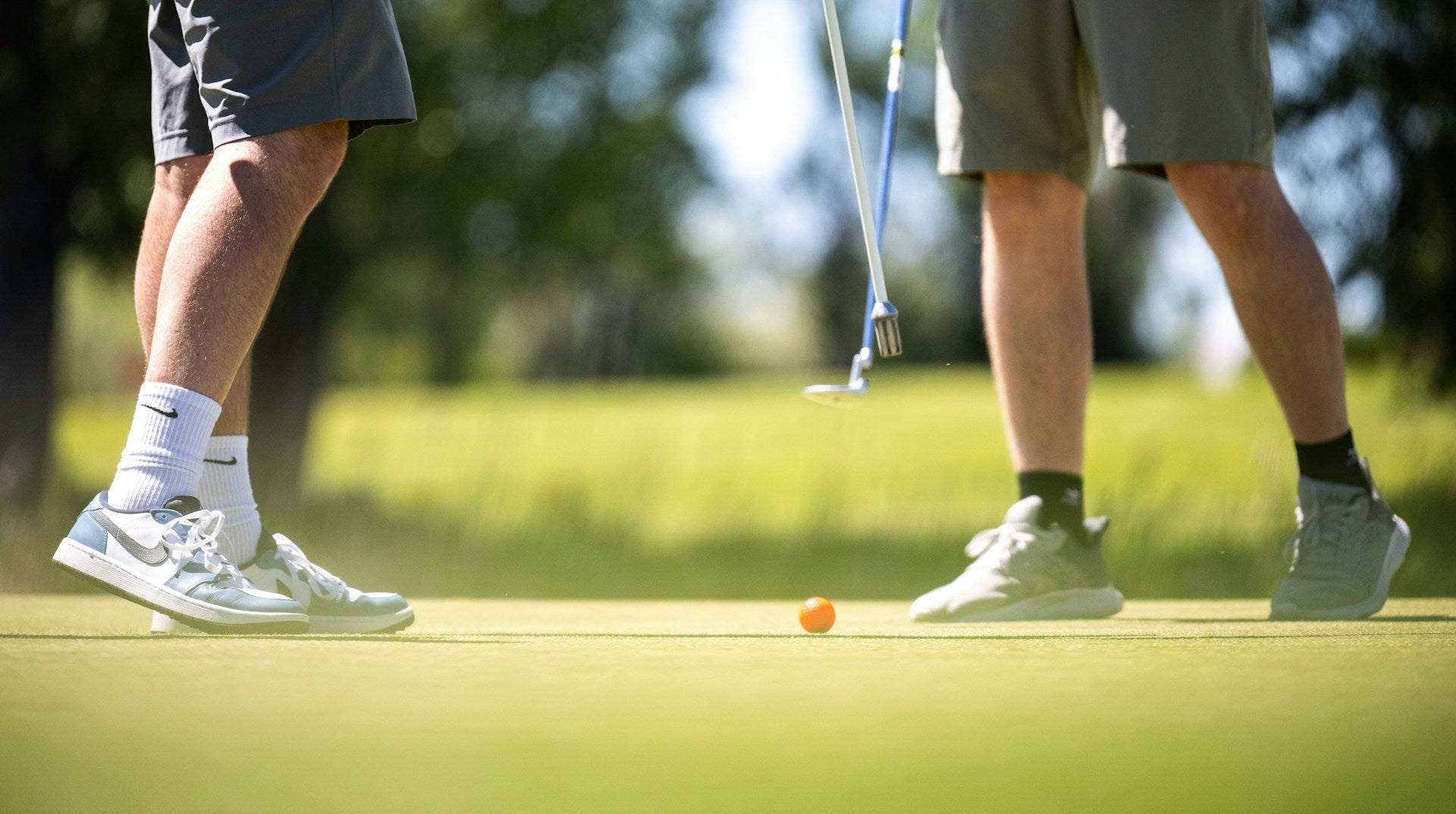
If you’re shopping for the best golf shoes, the right answer depends on how you play, where you play, and what kind of weather you’re dealing with. A golfer who walks 18 holes on damp fairways in Ontario has very different needs than someone who rides in a cart in dry summer conditions. And if you’re buying in Canada, you’ve also got to think about wet mornings, shoulder-season golf, and getting real value for your money.
That’s where a good golf shoe buying guide makes life easier. You want grip if your swing gets aggressive. You want comfort if you walk often. You want waterproof protection if you play in spring or fall. And if you care about versatility, the spiked vs spikeless decision matters more than most golfers think. This guide breaks that down clearly, with top model recommendations and practical buying advice for Canadian golfers.
What To Look For In The Best Golf Shoes
The best golf shoes do a few things well at the same time. They help you stay planted through the swing, they keep your feet comfortable over a full round, and they match the conditions you actually play in. Some shoes lean heavily into traction and stability. Others are built for walking comfort and everyday wear. That’s why you should judge golf shoes by performance first, then by price.
For Canadian golfers, the checklist gets a little stricter. Wet turf, cold spring rounds, and morning dew can expose a weak outsole fast. A shoe that feels fine on a dry driving range may feel sloppy by the fourth hole on a damp course. So instead of shopping by looks alone, compare grip, support, waterproofing, and fit before you buy.
Grip and Traction
Grip is what keeps your feet from sliding when you load into the downswing. If you play on soft ground, damp grass, or early-morning fairways, traction matters a lot more than it does for a golfer who only plays in perfect weather. Spiked golf shoes still lead here, especially if you want that locked-in feel on full swings.
But traction isn’t just about raw bite. Outsole design matters too. A well-built spikeless shoe can give you very good ground connection without feeling aggressive underfoot. If you want a deeper breakdown of wet-weather performance, the Waterproof Golf Shoes Guide is a useful companion read.
Comfort And Walking Support
If you walk often, comfort becomes the deciding factor pretty quickly. A shoe that feels amazing for five holes can turn into a nuisance by the back nine if the midsole is too firm or the heel counter rubs. For walkers, lightweight construction, cushioning, and a stable platform matter more than flashy styling.
You also want a shoe that feels good late in the round, when your feet start swelling a bit. Golfers who play 18 holes regularly usually notice the difference between “comfortable enough” and actually walking-friendly. That’s where all-day wearability starts to matter. A good shoe should let you finish the round without thinking about your feet every five minutes.
Waterproofing And Weather Protection
Waterproofing is a bigger deal in Canada than a lot of reviews admit. Morning dew, sudden showers, wet rough, and cool spring conditions can soak an untreated shoe fast. A waterproof upper won’t make your feet invincible, but it will buy you time and keep your round more pleasant.
And waterproof protection isn’t just for rain. It helps in shoulder-season golf when the course stays damp longer and the ground never fully dries. If you’re buying one pair for spring through fall, waterproofing should sit near the top of your list. It’s one of those features you appreciate more after your first wet round.
Fit, Width, And Sizing
Fit can make or break a golf shoe. Too narrow and you’ll feel pressure across the forefoot. Too loose and you lose stability at impact. If you have wide feet, bunions, or a sensitive toe box, this is the first thing to check before buying. A shoe can have great traction and still be the wrong choice if the fit is off.
Try golf shoes with the socks you actually play in. That sounds simple, but it changes how the shoe feels around the arch and heel. If you’re shopping online, check size availability, wide-fit options, and return policy before you commit. A little extra room in the right places usually beats a shoe that looks sleek but cramps your foot halfway through the front nine.
Spiked Vs Spikeless Golf Shoes: Which Is Best For You?
This is the decision that separates a decent golf shoe purchase from a great one. Neither spiked nor spikeless is automatically better. It depends on your swing, your course conditions, and how much you care about off-course wear. If you’ve been buying by habit, you might be using the wrong type for the way you actually play.
Spiked golf shoes usually win on traction and stability. Spikeless golf shoes usually win on comfort, versatility, and everyday wear. That’s the basic split, but the details matter. Some spikeless shoes now feel stable enough for serious players. Some spiked shoes feel much lighter and more wearable than older models used to.
Why Choose Spiked Golf Shoes
If you play on soft turf, wet fairways, or hilly courses, spiked golf shoes still make a lot of sense. The added traction helps you stay planted, especially if you generate speed through the lower body or have a more aggressive transition. That can matter a lot when the ground is slick and your lead foot wants to shift.
Spiked shoes are also a smart pick for golfers who value stability over versatility. If you care more about locking in during the swing than wearing your shoes to the parking lot, spiked is probably the safer call. They’re especially useful in spring and fall, when Canadian course conditions can change fast and grip gets tested in a hurry.
Why Choose Spikeless Golf Shoes
Spikeless golf shoes are popular for a reason. They’re usually more comfortable for walking, easier to wear around the clubhouse, and less noticeable if you want one pair that handles both golf and casual use. For golfers who go straight from the car to the tee and maybe run errands after the round, that flexibility is hard to beat.
They’ve also improved a lot. A good spikeless shoe can give you solid traction without the stiff, “golf-only” feel of some traditional models. If you walk a lot, play in dry-to-moderate conditions, or like sneaker-style shoes, spikeless is usually the better fit. And if you’re looking for a more detailed comparison, the What Golf Shoes Do Pros Wear Guide is worth a look.
Best Choice By Golfer Type
If you want maximum grip, go spiked. If you want more comfort and flexibility, go spikeless. That sounds almost too simple, but it’s honestly the cleanest way to choose.
A few quick examples:
-
A player who walks wet municipal courses in April should lean spiked.
-
A golfer who mostly rides and wants sneaker-like comfort can go spikeless.
-
Someone with foot pain may prefer a softer spikeless model with better cushioning.
-
A strong swinger who slides around in the follow-through may be better served by a more stable spiked option.
If you want one shoe to do a bit of everything, spikeless is usually the safer compromise. If you want the most confidence through impact, spiked still has the edge.
Best Overall Golf Shoes Right Now
These are the models that keep showing up in serious golf shoe conversations because they actually solve different problems well. Some are built for stability. Some are built for walking comfort. A few do both better than you’d expect. If you’re comparing the best golf shoes, this is the shortlist I’d start with.
adidas Tour360 — best for stability and classic spiked traction
The adidas Tour360 has long been a go-to for golfers who want a more traditional performance shoe. It feels secure, built-up, and stable through the swing, which is exactly what a lot of better ball strikers want. The spiked outsole gives you confidence on damp turf, and the structure around the midfoot keeps the shoe from feeling sloppy when you load into the trail side.
It’s a strong pick if you value a firmer, more tour-style feel. This is not the softest shoe in the category, and that’s part of the point. It’s made for golfers who want reliable traction and a planted base. If you tend to notice every bit of movement underfoot, this one deserves a close look.
FootJoy Pro/SL — best spikeless performance and ground connection
The FootJoy Pro/SL has built its reputation on dependable spikeless traction and a stable, golf-first feel. It doesn’t try to act like a running shoe. It feels like a golf shoe that happens to be comfortable enough to walk in. That balance is why so many golfers keep coming back to it.
This is a good fit if you want spikeless convenience without giving up too much course performance. The base feels supportive, and the shoe generally works well for golfers who play a mix of walking and riding rounds. If you like the idea of one shoe doing a bit of everything, this is one of the cleanest options in the category.
Under Armour Drive Pro Clone — best for adaptive comfort and strong fit
The Under Armour Drive Pro Clone stands out because it aims for a more moulded, adaptive fit. That can be a real plus if you hate the loose, generic feel some golf shoes have around the heel or midfoot. It tends to feel secure without being clunky, which helps on longer rounds.
It’s also appealing for golfers who want a balanced shoe rather than an overly aggressive one. You get comfort, decent support, and a modern look that works on and off the course. For players who walk often but still care about stability, this is one of the more interesting shoes on the market.
Nike Victory Pro 4 — best for lateral stability
The Nike Victory Pro 4 is a strong choice for golfers who want a locked-in feel during the swing. Lateral stability is the big selling point here, and that matters if you have a more athletic move or tend to create a lot of force through the ground. The shoe helps reduce that side-to-side movement that can make you feel unstable.
It’s a smart pick for aggressive golfers and for anyone who cares about a more secure upper around the foot. This is the kind of shoe that feels intentional. It’s built for performance first, with enough comfort to stay usable through a full round. If you’ve ever felt like your feet were sliding inside the shoe during the downswing, this model is worth serious attention.
Skechers Blade Tour — best for comfort and reliable grip
The Skechers Blade Tour leans into comfort in a way that a lot of golfers will appreciate right away. It’s a practical, easy-to-wear shoe that still offers solid grip and enough structure for real golf. If you’ve got a round to play, errands to run, and maybe another walk later in the day, this kind of versatility matters.
It’s especially appealing for golfers who prioritize comfort but still want dependable course performance. You won’t get the same tour-stiff feel as some premium spiked models, but you do get a shoe that’s easy to live in. For many golfers, that’s the better trade-off.
Best Golf Shoes By Need
Sometimes the best golf shoe isn’t the best overall shoe. It’s the one that solves your specific problem. Maybe your feet run wide. Maybe you walk every round. Maybe you want a shoe that can handle both the course and the rest of your day. This is where buying gets more practical and a lot more useful.
Best golf shoes for wide feet
If you have wide feet, focus on toe box space, upper flexibility, and a base that doesn’t pinch the forefoot. A roomier shoe can change the whole round. You want enough space for natural toe splay, especially when your feet swell on hot days or after 14 holes. Shoes from brands like FootJoy, New Balance, and Ecco often get attention here because they tend to be more accommodating.
A good wide-fit shoe shouldn’t feel loose everywhere. That’s the trap. You want extra room in the front without losing heel lock. If you’re shopping online, use wide-fit sizing filters and check whether the model runs narrow before you buy.
Best golf shoes for walking 18 holes
For walking 18, go lighter and more cushioned. You still need stability, but you don’t want a heavy, bulky shoe dragging you down by the back nine. The best walking golf shoes usually have a smoother heel-to-toe transition, a comfortable insole, and enough support to prevent foot fatigue.
Spikeless models often do well here because they feel less rigid, though a lighter spiked shoe can work too if traction is more important to you. Think about your actual pace and terrain. A flat resort course is different from a hilly municipal layout with a lot of turf movement.
Best golf shoes for stability
If stability is your main priority, choose a shoe with a firm platform, strong lateral walls, and a secure upper. This is especially important for players with faster swings or those who shift a lot during transition. A stable shoe helps your lower body work against the ground instead of sliding around on top of it.
That’s why tour-style spiked models often lead this category. They give a more planted feel and make aggressive swings feel controlled. If your miss tends to show up when your lower body gets loose, this is the category to buy into.
Best golf shoes for comfort
Comfort is a little slippery as a category because everyone feels it differently. Some golfers want soft cushioning right away. Others want a firmer shoe that settles in over time. The best comfort-focused golf shoes usually balance step-in softness with enough support that the shoe doesn’t collapse by the turn.
Look for shoes that don’t create pressure on the instep, don’t rub the heel, and don’t force your toes into the front. If you’ve ever left the course with sore arches or hot spots, you already know why this matters. A comfortable golf shoe should disappear on your foot, not remind you it’s there all day.
Best golf shoes for all-day wear
If you want one pair for golf, travel, and life around town, sneaker-style golf shoes make a lot of sense. They’re usually the easiest to wear outside the course and the most forgiving if you’re spending hours on your feet. Spikeless models dominate this space because they feel less technical and more casual.
This category is great for golfers who want their shoes to pull double duty. Think league night, then dinner. Or a practice session, then a full day of errands. If that sounds like your routine, don’t buy a shoe that only shines for 10 minutes on the tee box.
Best golf shoes under $100
Best under $100 usually means best value, not best absolute performance. That’s fine. In fact, that’s often the smarter purchase for newer golfers or anyone who plays a moderate number of rounds. You want enough traction and comfort to play well, without paying premium prices for features you may not need.
Look for sale pricing, last-season colourways, and clearance stock from reputable brands. A discounted shoe from a major brand is usually a better buy than a no-name model with vague specs. If you can get strong comfort and decent waterproofing at a lower sale price, that’s the sweet spot.
Best Golf Shoes For Canadian Conditions
Canadian golfers deal with more weather drama than a lot of reviews account for. Wet fairways, spring mud, morning dew, and cold snaps can all affect how a shoe performs. A pair that looks fine on paper can feel wrong the second the turf gets soft or the temperature drops.
That’s why Canadian conditions should shape your shoe choice. If you play early in the day or in shoulder season, waterproofing and traction matter more than fashion. And if you’re walking a lot, you’ll want a shoe that stays comfortable when the course is damp and the round stretches longer than expected.
Best for wet mornings and damp turf
On damp turf, traction and waterproofing work together. A waterproof upper keeps the shoe from getting soaked early, and a strong outsole stops the foot from sliding during the swing. If you’ve ever taken a practice swing on wet grass and felt your back foot go a little sideways, you know exactly why this matters.
Spiked shoes usually have the edge here, though some spikeless options do a respectable job. For Canadian mornings, especially in spring and early summer, a shoe with both grip and water resistance is the safer bet.
Best for spring and fall golf
Spring and fall golf asks more from your shoes than a mid-summer round. The ground is often softer, temperatures are lower, and moisture hangs around longer. A good shoe for these seasons needs waterproof protection, steady footing, and enough warmth that your feet don’t feel numb halfway through the round.
You don’t need a heavy boot-like golf shoe. But you do need something built for real conditions, not just fair-weather play. This is where premium waterproof models and more stable spiked designs make a lot of sense.
Best for golfers who want value in CAD
Canadian pricing changes the equation. A shoe that looks cheap in USD can feel expensive once exchange rates and shipping are factored in. That’s why local value matters. A solid pair at a good Canadian sale price is often the smarter move than chasing a brand name at full retail from a U.S. site.
If you’re comparing options, pay attention to total cost in CAD, shipping speed, and whether the retailer makes returns easy. A good deal only feels good if the shoe fits and arrives without hassle. For local shoppers, golf shoes in Canada should mean more than just a listed price.
How We’d Choose The Best Golf Shoe At Just Golf Stuff
If I were choosing a golf shoe for myself, I’d start with performance and finish with price. That order matters. You can save money on a shoe that doesn’t fit your game, but you can’t buy back comfort or stability once you’ve already made the wrong choice. The best golf shoes give you enough performance for the course and enough value that you don’t feel overcharged.
At Just Golf Stuff, the smartest buy is usually the one that matches your actual needs and comes from a brand you trust. Inventory, sizing, and markdowns all matter too. A premium shoe at the right sale price can be better than a budget shoe that never quite feels right. And if you play often, that difference shows up fast.
Balance performance with price
Premium models are worth it when they give you better traction, better support, or better waterproofing. But you don’t need to spend top dollar just to get a good round of golf. A lower-priced shoe with the right fit can outperform an expensive one that doesn’t suit your foot.
That’s why value matters just as much as brand reputation. If the price is right and the shoe covers your main needs, it’s a solid buy.
Match the shoe to your game and your course conditions
A golfer who walks wet courses needs a different shoe than someone who rides on dry parkland layouts. That sounds obvious, but people still buy shoes based on looks. Don’t do that. Buy for your swing, your walking habits, and the conditions you actually face.
If you’re not sure, start with your biggest pain point. Need more grip? Go spiked. Need more comfort? Try spikeless. Need all-day wear? Look at sneaker-style options.
Check availability, sizing, and return flexibility
Online shoe shopping is easier than ever, but sizing still trips people up. Check whether your size is in stock, whether wide-fit versions exist, and whether the retailer has a fair return policy. That matters more when you’re buying from a Canadian retailer and want the process to be simple.
If you’re comparing options, you can also browse our best golf deals to see whether your preferred model is on markdown before you pay full retail.
FAQ
What are the best golf shoes right now?
The best golf shoes usually combine grip, comfort, stability, and waterproofing. Popular picks often include the adidas Tour360, FootJoy Pro/SL, and Under Armour Drive Pro Clone.
Are spiked golf shoes better than spikeless?
Spiked golf shoes usually offer more traction and stability, while spikeless models tend to be more comfortable and versatile for walking or off-course wear.
What golf shoes are best for walking 18 holes?
Look for lightweight, cushioned, stable shoes with strong arch support and a comfortable fit, especially if you walk often.
What golf shoes are best for wide feet?
Shoes with a roomier toe box, flexible upper, and supportive base are usually best for wide feet.
Do I need waterproof golf shoes in Canada?
Yes, waterproof golf shoes are a smart choice in Canada because courses often stay damp from morning dew, rain, and shoulder-season conditions.
What is the best value golf shoe?
The best value shoe is usually one that combines solid performance, reliable comfort, and a lower sale price without major trade-offs.
Are golf shoes worth it for casual golfers?
Yes. Even casual golfers benefit from better traction, stability, and comfort compared with regular sneakers.
Final Thoughts: Which Golf Shoe Should You Buy?
If you want maximum stability and wet-course confidence, the adidas Tour360 is a strong pick. If you want spikeless comfort with real performance, FootJoy Pro/SL is hard to ignore. For a secure, modern fit, Under Armour Drive Pro Clone stands out. Nike Victory Pro 4 suits golfers who want lateral support, while Skechers Blade Tour makes a lot of sense if comfort is the priority.
The right choice comes down to how you play and where you play. If you walk a lot, lean toward comfort and lighter construction. If you play in wet Canadian conditions, waterproofing and traction should lead the decision. And if value matters most, shop for a model that gives you the best mix of fit, performance, and sale price in CAD.
If you’re ready to compare options, start with the current selection of golf shoes and look for the pair that fits your game, your feet, and your budget.