



Golf can look intimidating at first: a big course, a small ball, and lots of “unwritten rules.” The good news is that how to play golf is learnable, step by step, with the right golf basics, simple gear, and a few habits that keep rounds fun.
This guide breaks down golf for beginners in Canada, from equipment and swing fundamentals to golf rules for beginners and on-course etiquette. It also points to value-focused starter gear and practice tools from Just Golf Stuff.
What Is Golf? Understanding The Game
If the question is “what is golf,” the simplest answer is this: get the ball into the hole in the fewest strokes. That’s all about golf at its core, even though the game offers endless ways to improve.
One reason golf stands out is its spirit. Players self-regulate, call penalties on themselves, and show sportsmanship. Learning these golf basics early makes every round smoother and more enjoyable.
A hole usually starts on the tee box, continues down the fairway, and ends on the green. Scores relate to “par,” with common results like birdie (under par) and bogey (over par).
When planning your first purchases, start by reviewing the essentials and learn more about the equipment you’ll need in the golf clubs collection.
Essential Golf Equipment For Beginners
Smart equipment choices make how to play golf simpler. Beginners do best with forgiving clubs, affordable balls, and a few must-have accessories. Overbuying early often slows learning and wastes money.
Just Golf Stuff is built for value-seeking Canadians, with budget-friendly options and starter-focused picks. That support matters when building golf equipment around real needs, not hype.
The Basic Golf Club Set: What You Really Need
The Rules of Golf allow 14 clubs, but golf for beginners doesn’t require a full set. A simple setup covers most shots and keeps decisions easy. This approach supports faster improvement and fewer costly mistakes.
A practical starter mix is driver, a hybrid or fairway wood, one mid-iron (6 or 8), a pitching wedge or sand wedge, and a putter. Many new golfers find hybrids easier to hit than long irons.
For best value, consider affordable or used options, then upgrade as skills grow. Explore golf clubs, forgiving hybrids & woods, and confidence-boosting putters.
Choosing the right golf balls and accessories
Beginners lose balls, especially early in the season when rough is thick. Pick soft-feel, budget-friendly golf balls so practice stays stress-free. Consistency matters more than premium pricing at this stage.
A few accessories prevent frustration: tees, a glove, ball markers, and a divot tool. A comfortable bag helps pace and organisation, even for nine holes at a municipal course.
For practice at home, simple training tools can speed progress fast. Stock up on golf balls, useful golf accessories, and easy-to-use golf training aids.
Getting the right apparel and shoes
Most Canadian courses expect a tidy look: collared shirt, golf pants or shorts, and weather-ready layers. In spring and fall, a light jacket and toque can be the difference between fun and miserable.
Footwear can start simple, but traction matters on wet mornings. Non-running sneakers are acceptable for early range sessions, then upgrade when playing regularly.
Check course-appropriate golf apparel, plus golf shoes for men or golf shoes for women when you’re ready.

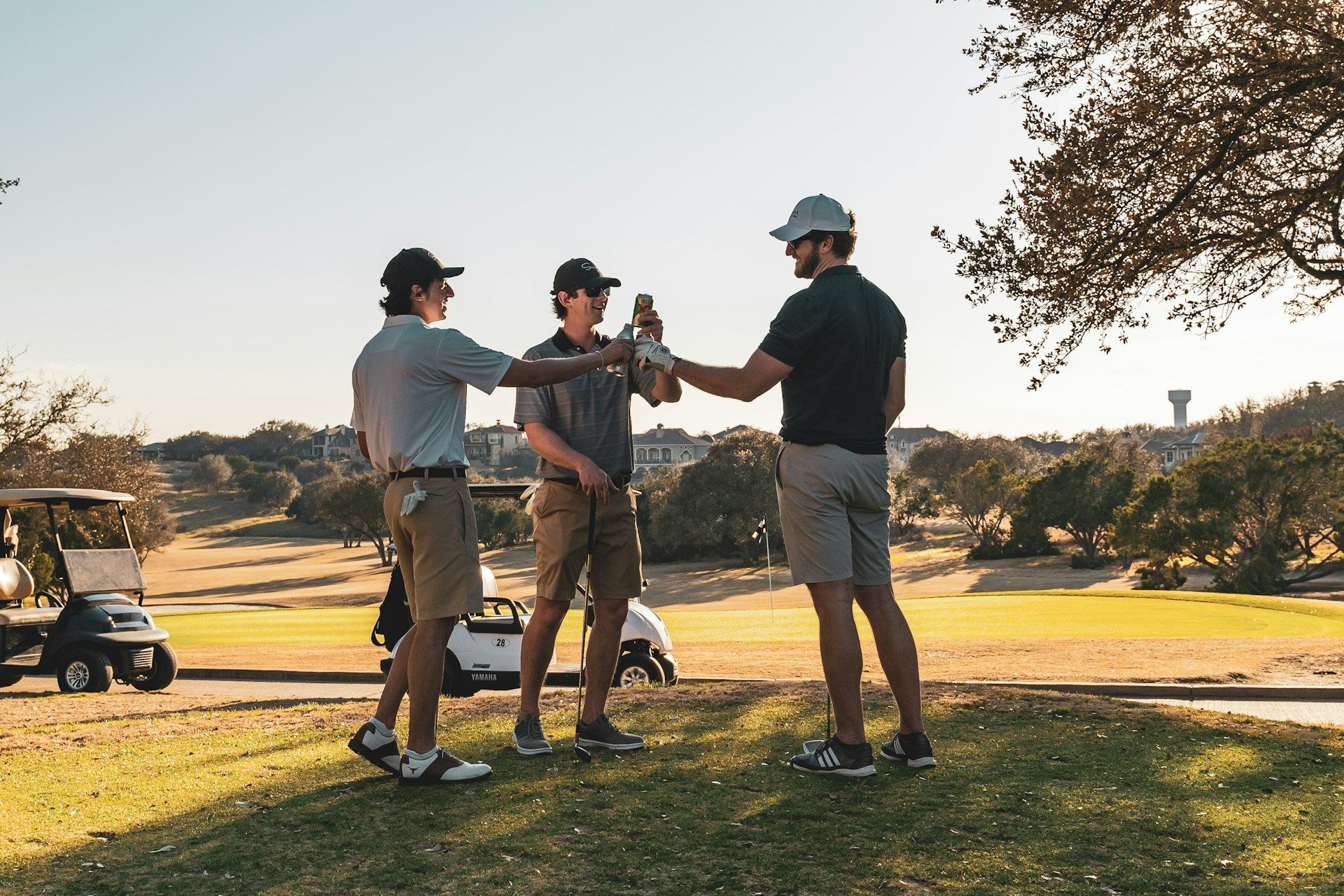
Photo by Will Porada
Learning How To Golf: Steps For Complete Beginners
Learning how to learn golf is mostly about building repeatable fundamentals. Avoid chasing a new swing tip every day. A steady plan beats random advice, especially for beginner golf players.
This section covers learning how to golf with lessons, practice structure, and the fundamentals that set up every good shot. It also explains why golf lessons for beginners often pay off quickly.
Professional lessons vs. self-teaching
Golf lessons for beginners can shorten the learning curve because a pro fixes errors before they stick. Even two or three sessions can improve grip, setup, and contact. Group clinics are often affordable and beginner-friendly.
Self-teaching still helps when it’s structured. Use one or two trusted video sources, film a swing, and compare to a simple checklist. Combine this with golf beginner lessons at a range or municipal course when possible.
In Canada, lessons are common at driving ranges, par-3 courses, and city-run facilities. Look for beginner programs that focus on contact and short games first.
Building a practice routine
Start each range session with short, controlled swings. Hit wedges and short irons before moving to longer clubs. This pattern builds rhythm and reduces frustration when contact isn’t perfect.
Dedicate time to the short game every week. Ten minutes of putting and basic chipping drills can lower scores faster than smashing drivers.
Track one goal per session, like “solid contact” or “start line.” That routine-based approach supports how to play golf far better than chasing distance.
Key golf fundamentals: Grip, stance, and posture
For how to swing a golf club for beginners, grip comes first. Common grips include overlap, interlock, and baseball. Most adults do well with overlap or interlock, with light pressure and neutral hands.
Stance should feel athletic: feet about shoulder width, knees slightly flexed, and weight balanced mid-foot. Good posture comes from hinging at the hips with a long spine, not slouching.
Golf tips for beginners are easier to apply with forgiving gear. Choosing the right clubs makes learning easier with complete sets built for consistency.
How To Swing A Golf Club (For Beginners)
A good swing is smooth and repeatable. Power comes from sequencing, not brute force. For how to golf with confidence, focus on contact and direction before distance.
This step-by-step section is designed for how to swing a golf club for beginner players. Use it as a checklist during practice, especially when the swing feels rushed.
The golf swing fundamentals
For how to swing a golf club for beginners, start with a simple takeaway. Move the club back low and slow, keeping the chest and arms connected. The goal is balance, not speed.
In the backswing, turn the shoulders and let the hips rotate naturally. At the top, feel loaded but stable. Avoid swaying off the ball, which often causes thin or heavy shots.
On the downswing, shift pressure toward the lead foot and rotate through. Finish tall with the chest facing the target. A balanced finish is a reliable sign the motion was controlled.
Learning to chip and pitch
A chip is a low shot that rolls like a putt. A pitch flies higher and lands softer. Knowing when to use each is a core golf basics skill that saves strokes quickly.
For chipping, stand closer, grip down slightly, and keep hands ahead. Use a small shoulder-driven motion and land the ball on a safe spot, then let it roll.
For pitching, widen the stance slightly and allow more wrist hinge. Keep the tempo calm and finish facing the target. Practise with one club until distance control improves.
A Short Introduction to Putting
Putting is where scores drop fastest, which is why it’s vital in golf for beginners. A simple routine beats fancy technique. Focus on the start line and speed, not perfection.
Use a comfortable grip and aim the putter face first. Set feet and shoulders square, then make a smooth stroke with steady tempo. Keep the head still through impact.
Practise three-footers for confidence and longer lag putts for speed. Ten minutes a day at home can help more than one long range session.
Playing The Golf Course: What To Expect
The course is where practice becomes real golf. Knowing what will happen on the first tee removes stress. It also helps beginners keep pace, which every group appreciates.
This section covers playing golf for beginners, key setup choices, and rules in golf for beginners that come up constantly. It also highlights the most useful golf rules for beginners to learn early.
Getting ready for your first round
Book a par-3 or executive course if possible. These courses fit Canadian schedules and budgets and keep shots manageable. Playing nine holes is a smart first step.
Arrive early to check in, warm up, and learn where to go. Bring tees, balls, a marker, and a glove so there’s no scrambling on the first hole.
If walking, get a quality golf bag for your first round from golf bags. Comfort and organisation help pace of play.
Understanding tee boxes and course layout
Beginners should play the most forward tees. It makes the game more fun, speeds up the round, and encourages solid contact. Moving back can come later as distance improves.
Canadian courses often use colour-coded markers. Look for the shortest total yardage on the scorecard. If unsure, ask the pro shop where golf for beginners typically starts.
Learn basic landmarks: fairway bunkers, hazards, and safe layup areas. Smart targets lower scores more than heroic swings.
Key rules of golf for beginners
The guiding idea is “play the ball as it lies” and “play the course as you find it.” Those principles shape many golf rules for beginners and keep the game fair.
Know the basics: out of bounds is a penalty, hazards have relief options, and lost balls cost strokes. In Canada, the search time is now five minutes, so keep moving.
On the green, mark and lift the ball with a coin or marker. Replace it precisely before putting. These rules of golf for beginners prevent conflicts and speed play.
Golf etiquette everyone should know
Pace of play is a skill. Be ready when it’s your turn, limit practice swings, and watch where your ball goes. If a hole is falling apart, pick up and rejoin the group.
Safety is non-negotiable. If a ball could hit someone, yell “Fore!” loudly. Stand out of others’ swing paths and keep quiet during shots.
Repair divots, rake bunkers when required, and fix pitch marks on greens. This etiquette protects course conditions and earns respect fast.
Tips To Get Better At Golf Fast
Improvement comes from smart priorities. The fastest path is short game, putting, and playable tee shots. That combination is the core of how to get better at golf without feeling overwhelmed.
Use a simple plan: one swing thought, one short-game drill, and one putting drill. Those steady reps are top-tier golf tips for beginners because they build repeatable skills.
Set small goals like “advance the ball” or “two-putt from the fringe.” Record progress every few rounds, not every swing. A calm mindset keeps how to play golf enjoyable in the long run.
Staying Fit And Safe For Golf
Golf looks easy on the body until it isn’t. Golf fitness helps swing quality and reduces soreness, especially early in the Canadian season. Warm muscles move better and recover faster.
Walking is a strong choice when possible. It improves fitness, keeps the body loose, and can make the round feel more social. Riding is fine too, especially on hilly courses or hot days.
When preparing for a round, use dynamic stretches like leg swings, hip turns, and arm circles. After the round, use gentle static stretches for hips, hamstrings, and shoulders.
Hydrate early and bring simple snacks. Staying fuelled supports focus and reduces late-round mistakes. For staying safe on course, avoid over-swinging when tired and stop if pain is sharp.
Golf Outings And Group Events: What To Know
Group play can be the most fun part of golf for beginners. Outings are usually relaxed, with formats that reduce pressure. Learning basic golf tournament basics helps beginners enjoy the day.
Scramble is the most common beginner-friendly format. Everyone hits, the best ball is chosen, and the team plays from there. Best ball is also popular, where each player plays their own ball and the best score counts.
Nerves are normal at the first event. Keep expectations simple: make solid contact, keep pace, and support the group. Pack a Sharpie, coin marker, weather layers, water, and snacks for steady energy.
Frequently Asked Questions – Golf For Beginners
Is golf expensive to start in Canada?
It doesn’t have to be. Start with a few clubs, affordable balls, and a public course. Value gear from Just Golf Stuff keeps golf for beginners budget-friendly.
How long does it take to learn how to play golf?
Most beginners can play a fun nine holes within a few weeks of practice. Consistency matters more than talent when learning how to play golf.
Are golf lessons for beginners worth it?
Yes, especially early. Golf lessons for beginners help avoid bad habits and improve contact faster. Even a short package of golf beginner lessons can pay off.
What are the most important golf rules for beginners?
Focus on pace, safety, and penalties. Learn out of bounds, lost ball procedures, and marking on greens. These golf rules for beginners prevent confusion and slow play.
How can a beginner practise at home?
Putting and chipping motions are ideal at home. Use a mat, a few balls, and simple golf training aids. Short, frequent sessions beat rare marathon practices.
What tees should beginners play?
Play the forward tees until consistent contact and distance improve. It makes playing golf for beginners more fun and keeps the round moving.
Conclusion: Start Simple, Play Smart, And Keep It Fun
How to play golf comes down to solid golf basics, beginner-friendly equipment, and a calm plan for learning. Focus on fundamentals, practise short game, and learn golf rules for beginners and etiquette early to fit in anywhere in Canada.
For the fastest progress, consider golf lessons for beginners, keep practice structured, and use the step-by-step approach for how to swing a golf club for beginners. Small, steady wins build confidence quickly.
Ready to start? Browse Just Golf Stuff for value-first golf clubs, golf balls, golf apparel, and practice-friendly golf training aids. Then book a par-3 round and put these tips into action.