 Reviews on




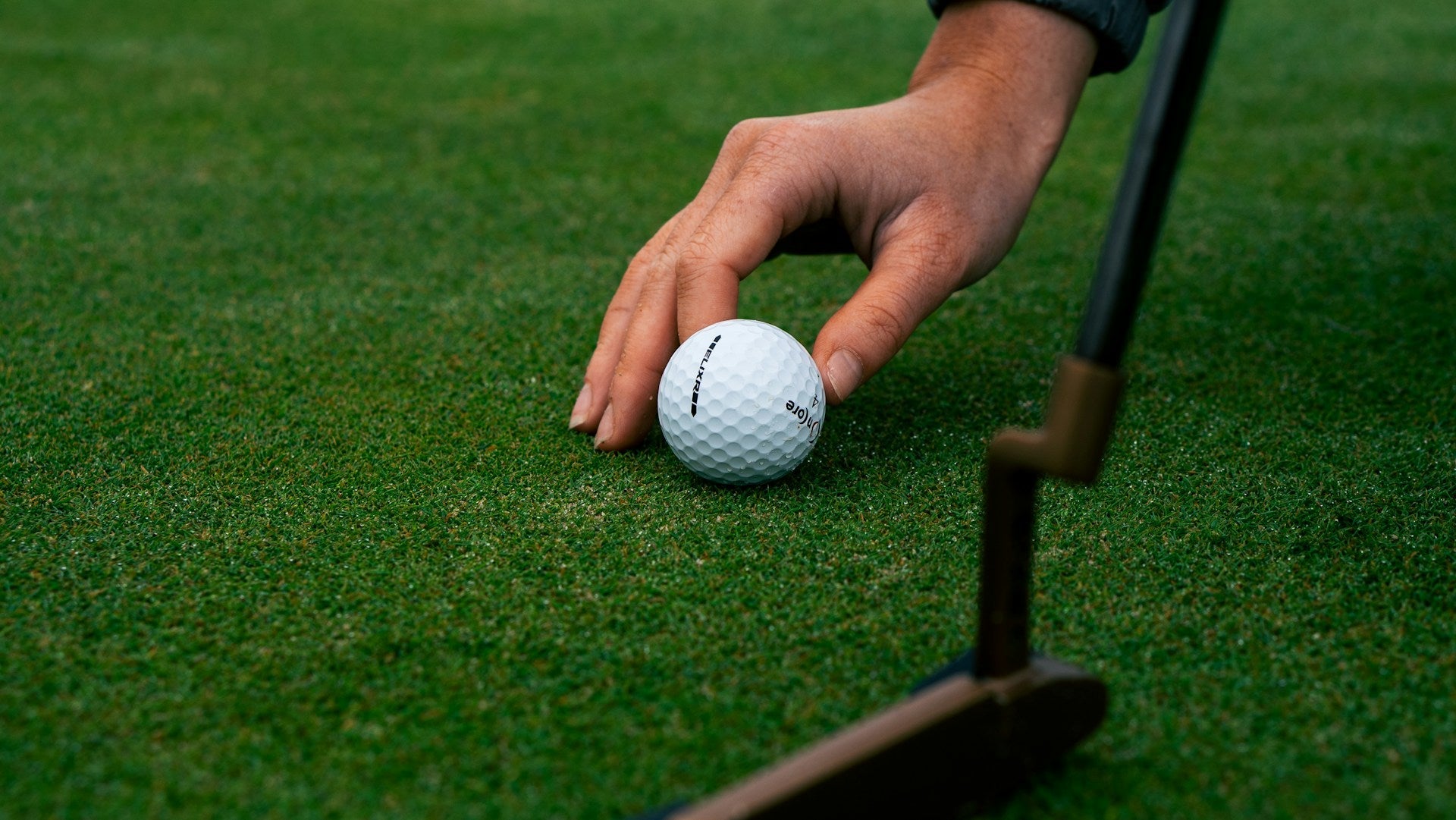
When you’re standing over a six‑footer for par, the club in your hands matters more than anything else in your bag. That’s why the debate around face balanced vs toe hang putters is such a big deal for golfers who are serious about scoring.
This isn’t just a tech spec on a product page. Putter balance directly influences how the head moves during your stroke, how easy it is to start the ball on line, and even how confidently you set up the ball. Understanding the difference between face-balanced and toe-hang putters—and how each design matches certain putting strokes—can be worth several strokes a round.
In this guide, we’ll break down:
-
What face-balanced and toe-hang putters actually are
-
How weight distribution and design (including modern mallet vs blade) affect performance
-
How to match your stroke type to the right putter
-
Practical fitting and buying tips, especially if you’re shopping online in Canada
By the end, you’ll know exactly which style of putter deserves a spot in your bag—and what to look for when you’re comparing golf putters online.
Understanding Putter Types and Characteristics
Choosing between a face-balanced and a toe-hang putter starts with one core concept: putter balance. Balance is all about weight distribution in the head and how that makes the putter want to move during your stroke.
What putter balance actually means
There’s a simple test you can do with any putter:
1. Lay the shaft across your index finger, balancing it roughly a third of the way down from the head.
2. Let the head hang freely.
What you see next tells you a lot:
-
If the face points straight up toward the sky → it’s a face-balanced putter.
-
If the toe points down (a little or a lot) → it’s a toe-hang putter.
That hanging position is your visual cue for how the putter is weighted and how it naturally wants to rotate during the stroke.
Face-balanced putters: design and benefits
Face-balanced putters have more of their mass centred behind the face and along the axis of the shaft. When you balance one on your finger, the face looks straight up. Technically, the centre of gravity sits directly in line with the shaft, which reduces the putter’s natural tendency to open and close through impact.
Common characteristics:
-
Often built as modern mallet putters, with larger heads and high MOI (moment of inertia)
-
Heavier in the perimeter and rear of the head
-
Very stable on off‑centre hits
-
Tend to keep the face squarer to the target line
Key benefits:
-
Well suited to straight-back, straight-through putting strokes
-
Helps golfers who struggle with over-rotating the face (pulls and pushes)
-
Offers a very “point and shoot” feel, especially on shorter putts
-
High forgiveness, which is useful under pressure or on slower, bumpier greens
You’ll often see tour pros who use face-balanced mallets on lightning‑fast greens, because those heads make it easier to make a shorter, more controlled stroke while keeping the face quiet.
Toe-hang putters: design and performance
Toe-hang putters have more mass toward the toe and/or heel, so when you balance them on a finger, the toe drops toward the ground. The amount of drop can vary:
-
Slight toe hang (toe maybe 4–5 o’clock position)
-
Moderate toe hang
-
Strong toe hang (toe closer to 6 o’clock, almost straight down)
In toe-hang designs, the centre of gravity is offset from the shaft axis. This encourages the head to naturally open on the way back and close through impact—exactly what happens in an arcing stroke.
Common characteristics:
-
Traditionally blade putters (Anser-style, heel-toe weighted blades)
-
More compact head shape
-
More feedback in the hands—great if you like to “feel” the hit
-
Easier to release the toe through impact if you have an arc
Key benefits:
-
Ideal for golfers with a slight-to-strong arc in their putting stroke
-
Supports a natural opening and closing of the face
-
Can feel more precise for players who like to work the ball or are very touch‑oriented
-
Often preferred by purists and lower handicappers who like traditional looks at address
It’s worth noting that many modern mallet putters now come in both face-balanced and toe-hang versions. Manufacturers adjust shaft insertion points and internal weighting so you can choose the balance that fits your stroke without giving up the look or forgiveness of a larger head.
How weight distribution shapes performance
Weight distribution isn’t just about balance—it also affects feel, speed control, and forgiveness.
Some key elements:
-
Heel vs toe weighting
-
More weight in the toe → more toe hang, more natural rotation.
-
More evenly distributed weight → more neutral or face-balanced behaviour.
-
Perimeter vs central weighting
-
Perimeter weighting (common in modern mallets) increases MOI, meaning:
-
Less twisting on off‑centre strikes
-
More consistent ball speed on mishits
-
Central weighting can increase feel and feedback, which some better players prefer.
-
Overall head weight
-
Heavier heads can smooth out a jerky stroke and help on slower greens.
-
Lighter heads can work better for golfers with very soft hands or fast greens.
-
For more on this topic, you can dive into a light vs heavy putters comparison here.
In short, face-balanced vs toe-hang isn’t a quality judgement—it’s about matching how the putter wants to move to how you naturally move the putter.
Matching Stroke Types with Putter Design
To pick the right putter, you first need to know what kind of putter stroke you actually have. Once you understand whether you’re straight-back, straight-through or more of an arcing putter, the balance question becomes much easier.
Straight-back, straight-through strokes and face-balanced putters
If your stroke looks like it’s riding on rails—backswing and follow-through nearly on the same line—you’re in the straight-back, straight-through camp (or at least close to it).
Characteristics of a straight stroke:
-
The putter head stays close to the target line going back and through
-
Very little visible opening or closing of the face
-
Shoulders and arms drive most of the motion; wrists are quiet
-
Common with players who use putting aids or alignment tools in practice
Why face-balanced putters fit:
-
With the centre of gravity aligned with the shaft, the face doesn’t want to rotate much.
-
That complements a stroke where you’re trying to reduce any opening/closing of the face.
-
You get a sensation of the putter “tracking” straight towards the target, which builds confidence on short and mid-range putts.
If you see yourself as a mechanical, system-based putter who loves alignment lines, training aids, and a very structured routine, you’re often a great candidate for a face-balanced mallet.
Arcing strokes and the case for toe-hang putters
Most golfers, including many tour pros, actually don’t putt straight-back, straight-through. Instead, their stroke naturally moves on a slight arc—inside the line on the way back, then back to square at impact, then inside again on the follow-through.
Characteristics of an arcing stroke:
-
Putter head traces a gentle inside-square-inside path
-
The face opens slightly on the way back and closes slightly on the way through
-
Often tied to more rotation in the shoulders and torso
-
Feels more “natural” for many players, especially those who swing the putter more like a small version of their full swing
Why toe-hang putters work so well here:
-
The toe-heavy weighting means the head wants to rotate a bit as it swings.
-
Instead of fighting that rotation, you work with it.
-
For players with a consistent arc, a toe-hang putter can significantly improve:
-
Start line control
-
Face angle at impact
-
Distance consistency, because you’re not steering the putter
If you watch your favourite players on TV and notice they use classic blades or toe-hang mallets, chances are they have a noticeable arc and rely on that natural toe release to square the face.
How to identify your stroke type (at home or on the practice green)
You don’t need a fancy fitting studio to figure this out. Try these simple checks:
1. Line drill on the putting green
-
Find a straight putt of 6–8 feet.
-
Lay down an alignment stick or a chalk line (or use a painted line on the practice green if your course has one).
-
Set the putter face square to the line and make your stroke.
-
Have a friend film you from directly above or behind.
What to look for:
-
If the head stays almost exactly over the line → straight-back, straight-through.
-
If the head moves slightly inside the line on the way back and through → arcing stroke.
2. Gate drill with tees
-
Place two tees just outside the toe and heel of your putter, creating a narrow “gate.”
-
Putt through the gate from 4–6 feet.
-
Pay attention to which side you tend to bump.
-
Constantly clipping the heel or pulling the ball? You might be closing the face too much with a face-balanced model and actually need more toe hang.
-
Pushing a lot and leaving the face open? You might need a more face-balanced option.
3. Feel test
Ask yourself:
-
Do you feel more comfortable swinging the putter, letting it trace a natural arc? → Likely a toe-hang candidate.
-
Do you prefer trying to keep everything square, almost like a pendulum? → Likely a face-balanced candidate.
Player preferences: it’s not only about the stroke
Stroke type is the major factor, but not the only one. You should also consider:
-
Visual preference
-
Some golfers simply aim better with mallets, others with blades.
-
Modern mallets can be built with toe hang, so you’re not locked into a blade if you like an arc.
-
Green conditions in Canada
-
On slower, bumpier greens (common early and late in the season), some players like heavier, face-balanced mallets for stability.
-
On quick, slick summer greens, touch-oriented players can find toe-hang blades give them better distance control.
-
Personality and comfort
-
Analytical, system-based players often prefer face-balanced, high-MOI heads with lots of alignment features.
-
Feel players often gravitate to toe-hang blades or compact mallets that offer more feedback.
If you’re already dialling in other clubs—like golf irons and golf wedges tuned to your swing—it makes sense to apply the same level of attention to your putter choice.
How to Choose the Right Putter for Your Game
Once you understand your stroke and the basic differences between face-balanced vs toe-hang putters, it’s time to look at fitting, customization, and buying considerations—especially important if you’re shopping through a golf e‑commerce platform instead of in a studio.
Key fitting elements: more than just balance
A well-fitted putter considers several variables:
1. Length
-
Too long and you’ll stand too upright, often leading to inconsistency in face angle.
-
Too short and you may hunch over, affecting shoulder rotation and comfort.
-
As a rough guide:
-
Many adult men fit between 33" and 35",
-
Many adult women between 32" and 34",
but your personal posture and arm length matter more than your height alone.
-
For a deeper dive on club length, you can check a dedicated golf club length guide here.
2. Lie angle
-
If the toe is up or down at impact, it can cause directional misses even with a square face.
-
Most stock putters fit a wide range of golfers, but if you see the heel or toe consistently lifting, you might need a lie adjustment.
3. Loft
-
A standard putter loft is usually between 2°–4°.
-
Too little loft: you’ll drive the ball into the ground, causing skidding and bouncing.
-
Too much loft: you’ll launch the ball, also hurting roll.
-
Your hand position and how much you press the shaft forward can influence ideal loft.
4. Head style (blade vs mallet)
-
Blade putters
-
Traditional look, often with toe hang.
-
Great for arcing strokes and players who like feedback.
-
Modern mallet putters
-
Larger heads with high MOI and alignment aids.
-
Available in face-balanced and toe-hang versions now.
-
Excellent for stability and forgiveness.
5. Grip type and size
-
Thicker grips can reduce hand and wrist action, which some straight-back players like.
-
Thinner grips can enhance feel and work well for arc-based strokes.
-
If you’re sensitive to feeling in other clubs and have experimented with different golf grips, apply the same logic to your putter.
Matching balance to stroke: a quick reference table
|
Stroke Type |
Best Match |
Typical Head Style |
Why It Works |
|
Straight-back, straight-through |
Face-balanced |
Modern mallet |
Minimizes face rotation, very stable on line |
|
Slight arc |
Slight/medium toe hang |
Blade or toe-hang mallet |
Supports a gentle open-close motion of the face |
|
Strong arc |
Strong toe hang |
Traditional blade |
Allows full toe release and natural rotation |
|
Unsure / mixed stroke |
Test both; start neutral |
Mid-toe-hang mallet or blade |
Offers a balance of rotation and stability |
If you already own a putter, do the finger balance test and see where it falls. Then ask yourself: does that match my natural stroke? If not, there’s a good chance you’re working harder than you need to on the greens.
Practical buying considerations (especially online)
When you’re shopping online for top-brand golf putters, you don’t have the benefit of rolling a dozen models in a store. But you can still make a smart, data-driven choice by focusing on a few key points.
1. Start with your stroke type and balance
-
Decide: face balanced vs toe hang putters—which category fits your stroke?
-
Within that category, narrow down by head shape (blade vs mallet) and size.
2. Look at specs, not just marketing names
Most major brands (Titleist/Scotty Cameron, TaylorMade, Callaway/Odyssey, etc.) clearly list:
-
Head type (blade, mallet, mid-mallet)
-
Toe hang or face-balanced
-
Available lengths and lie options
-
Stock grip type
Use those specs to filter down your options rather than judging purely by appearance.
3. Budget and value
Putters can range from budget-friendly to ultra-premium. Higher price often gets you:
-
More refined milling or insert technology
-
Tighter production tolerances
-
Premium materials and finishes
-
Brand cachet (which may or may not matter to you)
That said, performance gains between mid-range and top-end models can be smaller than many golfers think. If you’re already investing in other key gear—like golf balls that match your feel and spin preferences—you don’t necessarily need to overspend on a putter to see big improvements.
4. Read reviews like a fitter, not a shopper
When checking customer reviews:
-
Look for mentions of stroke type (“I have more of an arc and this putter felt natural right away”).
-
Pay attention to comments about distance control and forgiveness.
-
Focus on reviews from golfers with similar handicaps and tendencies to yours rather than just overall star ratings.
If a putter is constantly praised as “super stable and easy to keep on line,” that often signals a face-balanced mallet. Reviews that talk about “great feel and natural release” often describe toe-hang blades or toe-hang mallets.
5. Consider how it fits your overall setup
Your putter doesn’t live in isolation. Think about:
-
Your current golf accessories (like training aids) that support your stroke.
-
Your golf apparel—if you often play in colder Canadian weather and wear bulkier layers, you may grip the putter differently in spring/fall than in mid-summer.
-
Your bag setup—if you’re upgrading multiple golf clubs at once, make sure your putter budget fits within your overall plan.
How the right putter can impact your game performance
Many golfers underestimate how much putter choice affects scoring. Swapping from a mis‑matched putter to a properly matched one can:
-
Improve accuracy
-
Better face control through impact → more putts starting on your intended line.
-
Fewer short-range misses, which directly lowers your handicap.
-
Boost distance control
-
A head that matches your stroke path allows a smoother, more repeatable motion.
-
You’re less likely to decelerate or jab at the ball, so lag putting improves.
-
Increase confidence
-
When the putter feels like an extension of your natural motion, you stop thinking about mechanics and start focusing on reading greens and choosing the right speed.
-
Confidence with the flat stick often spills over into the rest of your game, including tee shots and approaches.
-
Support long-term consistency
-
If you choose based on sound fitting principles instead of trends, you’re less likely to change putters every season.
-
That familiarity leads to better performance under pressure, whether you’re playing a casual weekend round or a tournament with a shotgun start.
The bottom line: a well-matched putter is one of the most cost‑effective upgrades you can make to your bag, especially compared to constantly chasing new golf drivers or iron sets.
FAQ: Face-Balanced vs Toe-Hang Putters
1. What is the difference between face-balanced and toe-hang putters?
Face-balanced putters are designed so that when you balance the shaft on your finger, the face points upward. This means the centre of gravity lines up with the shaft, reducing the putter’s tendency to rotate. They’re optimized for straight-back, straight-through strokes and help keep the face square to the target.
Toe-hang putters hang with the toe tilted down when balanced on your finger. Their centre of gravity is offset from the shaft, which encourages the head to open on the backswing and close on the follow-through. That makes them ideal for arcing strokes where the putter naturally swings inside-square-inside.
2. How do I know if I need a face-balanced or toe-hang putter?
Start by identifying your stroke type:
-
If your putter travels mostly straight back and straight through the ball, you’ll generally do better with a face-balanced putter.
-
If your stroke has a noticeable arc (inside on the way back and through), a toe-hang putter will likely feel more natural and produce better face control.
Using a chalk line or alignment stick on the practice green and filming your stroke from above is an easy way to check. You can also look at your miss pattern: frequent pulls and pushes with a face-balanced putter might indicate you actually need more toe hang, and vice versa.
3. Can a putter really affect my golf game?
Absolutely. The putter is the most-used club in your bag, and a poor match between your stroke type and putter design can cost you several strokes per round. A properly matched putter can:
-
Help you start more putts on your intended line
-
Improve distance control, especially on long putts
-
Reduce three-putts and lip-outs
-
Build confidence on short, pressure putts
For many golfers, getting the right putter yields more scoring improvement than changing any other single club.
4. Are there any specific brands known for high-quality putters?
Several top-brand golf putters consistently stand out:
-
Titleist (Scotty Cameron) – Premium milled putters with both blade and mallet options, in multiple toe-hang and face-balanced configurations.
-
TaylorMade – Popular Spider series mallets and blade models, often with advanced alignment and high MOI designs.
-
Callaway (Odyssey) – Known for insert technology (like White Hot) with a huge range of face-balanced and toe-hang options across mallets and blades.
That said, most major brands produce excellent putters these days. The key is choosing the right balance, head style, and spec for your stroke rather than focusing on the logo alone.
5. What should I consider when buying a putter online?
When buying a putter from a golf e-commerce platform, focus on:
-
Stroke compatibility – Confirm whether it’s face-balanced or toe-hang and match that to your stroke.
-
Head style and size – Blade vs mallet, alignment features, how it will look behind the ball.
-
Length and grip – Make sure the stock length and grip type suit your posture and feel preferences.
-
Brand reputation and reviews – Look for detailed reviews that mention stroke type, forgiveness, and distance control, not just star ratings.
-
Return or exchange policy – Just in case the putter doesn’t perform as expected once you get it on real greens.
If you’re already investing in other gear like must-have golf accessories or golf training aids to sharpen your game, putting the same thought into your putter choice will pay off quickly.
Final Thoughts
Choosing between face-balanced vs toe-hang putters isn’t about chasing the latest trend—it’s about understanding how you naturally move the putter and picking a design that works with that motion instead of against it.
You’ve seen how:
-
Putter balance and weight distribution shape how the head wants to rotate
-
Face-balanced putters tend to pair best with straight-back, straight-through strokes
-
Toe-hang putters complement arcing strokes and encourage a natural toe release
-
Fitting factors like length, loft, lie, grip, and head style (blade vs modern mallet) can fine-tune performance
-
A well-matched putter can dramatically improve accuracy, distance control, and confidence on the greens
Your next step is simple:
1. Take five minutes to assess your stroke type on the practice green.
2. Decide whether a face-balanced or toe-hang design best fits what you see.
3. Shortlist a few golf putters in Canada that match your stroke, preferred head style, and budget.
From there, you can fine‑tune details like length, grip, and brand based on your preferences and the kind of greens you typically play. And as you dial in your flat stick, don’t overlook the rest of your setup—whether that’s upgrading your golf bags for better organization, choosing golf shoes that keep you stable on wet Canadian fairways, or taking advantage of seasonal golf deals to round out your gear.
With the right putter in your hands, every round becomes a little less about surviving the greens and a little more about attacking pins.