



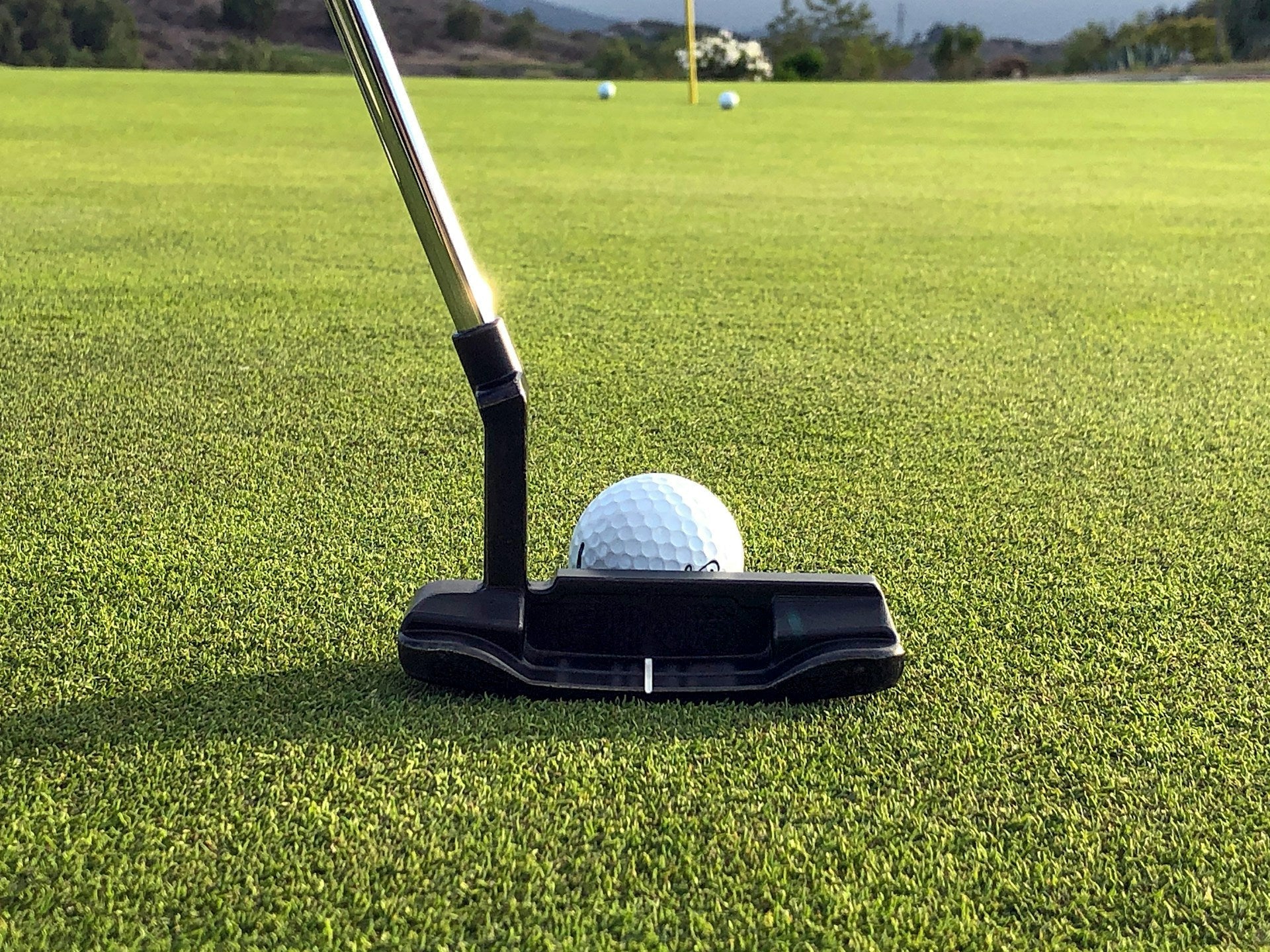
Putting is where a good round gets saved, or slips away. You can hit plenty of greens and still leave frustrated if the putter in your hands fights your stroke, sets up poorly, or sends a few weak misses offline. That’s why the best putters are usually the ones that make the whole job feel simpler. More stability. Better alignment. A cleaner roll. A little more confidence over the ball.
And that confidence matters more than most golfers admit. The putters that earn a spot in a bag today usually blend forgiveness with feel, while giving you a design that matches your stroke and the way you aim. Some golfers need a mallet with high-MOI stability. Others want the feedback of a blade. A growing number are now looking at zero-torque putters because they want help keeping the face square without extra thought.
This guide breaks down the best putters in a way that actually helps you choose one. You’ll see what matters, which styles fit which strokes, and the standout models worth a look if you’re shopping in Canada and want strong value without wasting time.
What Makes the Best Putters Worth Buying?
The best putters do a few things well, and they do them in a way you can feel right away. They help you start the ball on line. They keep speed more consistent on mis-hits. They give you enough feedback to trust your stroke. That mix is what separates a putter that looks nice from one that actually lowers scores.
A lot of golfers chase feel first, but forgiveness and stability usually matter more. If the putter twists too much on off-centre hits, your distance control gets messy and three-putts become easier to find. If alignment is awkward, you’ll probably set up closed or open more often than you think. Modern putter design now leans into reducing face rotation and improving roll consistency, which is why high-MOI mallets and zero-torque models keep getting so much attention.
The right fit depends on how you aim, how you release the putter, and how much feedback you want. Some players want a softer insert. Others want a firm milled face like 303 stainless steel. And yes, budget matters too. A premium putter can be excellent, but the best buy is the one that gives you the most performance for your money.
Forgiveness on off-centre hits
Forgiveness is what saves you when you don’t catch the middle of the face. On a good forgiving putter, the ball speed stays more stable, the head resists twisting, and the putt still has a decent chance of finishing close. That matters a lot on real greens, where your strike quality changes from day to day.
Mallet putters and high-MOI designs usually lead here. Their larger heads and perimeter weighting help limit the damage from heel or toe strikes. If you tend to miss the sweet spot, a forgiving putter can be the difference between a tap-in and a long comeback putt. It’s one of the simplest ways to cut down on three-putting.
Alignment and starting the ball on line
A lot of missed putts start before the stroke even begins. If you don’t like the way your putter sets up behind the ball, you’ll fight it on every green. That’s why alignment aids matter so much. Lines on the crown, clear shaping, and face geometry can make it easier to aim where you actually want to aim.
This is where models with strong visual guidance stand out. Think of putters with bold alignment lines or shapes like the Odyssey True Path alignment system, which helps the eye lock in sooner. Good alignment doesn’t guarantee a made putt, but it does reduce doubt. And on the greens, doubt is expensive.
Best Putter Styles: Mallet vs Blade vs Zero-Torque
Picking the best putter usually starts with shape. And shape affects more than looks. It changes how easy the putter is to aim, how much the head wants to rotate, and how much feedback you get through impact. That’s why the mallet vs blade debate still matters, even with all the new tech on the market.
Mallet putters are usually the safer bet for golfers who want forgiveness and easy alignment. Blade putters still have a loyal following because they deliver a more traditional look and a sharper feel. Zero-torque putters sit in a different lane altogether. They’re built to reduce twisting so the face stays square more naturally through the stroke. If you’ve ever felt like you’re constantly fighting face rotation, that category deserves your attention.
There’s no single winner here. The best choice depends on stroke type, visual preference, and how much help you want. If you’re not sure, think about the misses you actually make. Missing the centre often? Start with forgiveness. Struggling to aim? Look at alignment. Fighting the face? Zero-torque may be the answer.
Mallet putters for forgiveness and stability
Mallet putters are popular for a reason. They’re stable, easy to aim, and usually more forgiving on imperfect strikes. The larger head lets designers spread weight around the perimeter, which is one reason these putters often sit in the high-MOI category. For many golfers, that means fewer bad misses and more predictable distance control.
They’re also usually the easiest style for beginners to trust. If you want a putter that helps you line up and stay calmer over the ball, a mallet is often the right starting point. It’s not just about size. It’s about the way the shape supports the stroke.
Blade putters for classic feel and precision
Blade putters are still loved by golfers who value feedback. They’re compact, simple, and usually more connected in the hands. If you like to feel exactly what happened at impact, a blade often gives you that. Many players also prefer the classic look because it feels less cluttered behind the ball.
Blades often suit arc strokes because they let the face open and close more naturally. That said, some golfers simply putt better with one because they trust it. And confidence is part of performance. If a blade lets you commit more fully, that matters.
Zero-torque putters for keeping the face square
Zero-torque putters are built to reduce twisting during the stroke. In plain language, they try to keep the face square without you needing to manipulate it as much. That can be a big deal for golfers who tend to flip the hands or get lost with face rotation.
A model like the L.A.B. Golf DF3 has made this category far more mainstream. These putters are different, and yes, they feel different at first. But once a golfer settles in, the appeal is obvious: more face stability, cleaner start lines, and less effort trying to steer the putter. If putting straight is your biggest issue, this style is worth a close look.
Top Picks for the Best Putters Right Now
If you want the best putters right now, you’re usually looking for a model that solves a real problem, not just a pretty head shape. The shortlist below covers the big names golfers ask about most, with a practical “best for” angle so you can narrow things down fast. Pricing in Canada can vary by release, finish, and stock, but the point here is to focus on value as much as performance.
A few of these models are famous for stability. Others are known for feel or distance control. And some exist because they make putting simpler for players who hate face rotation. That mix is useful. It gives you different paths to a better fit, rather than pushing one style as the answer for everyone.
TaylorMade Spider Tour / Spider Tour X — Best overall mallet putter
The Spider Tour line has earned its place because it blends high-MOI forgiveness with easy aiming. It’s the sort of putter that helps golfers stay calm when the pressure rises, especially on mid-length putts where face control and speed matter most. The alignment setup is a big part of the appeal, and the shape makes it easy to trust at address.
The Spider Tour X adds a slightly different feel and setup for players who want a bit more versatility in how it sits and releases. If you want one of the best mallet putters for overall performance, this family is hard to ignore. It’s a strong option for golfers who want stability without giving up a clean look.
L.A.B. Golf DF3 — Best zero-torque putter for stability
The DF3 is one of the clearest examples of zero-torque design done well. It’s built to help the face stay square with less twisting, which can be a huge help if your putting motion gets busy. Many golfers notice that the stroke feels smoother because they’re not fighting the head through impact.
The biggest appeal here is control. The putter wants to return in a stable way, which can help improve start line and confidence. It’s not the most traditional-looking option, but for players who care more about results than appearance, it can be a smart buy. If you’ve been searching for the best putters for putting straight, this one belongs on the list.
Scotty Cameron Studio Style Newport 2 — Best blade for premium feel
The Newport 2 remains one of the most respected blade shapes for a reason. It offers a clean address look, a premium milled feel, and the kind of feedback better players often want. The 303 stainless steel build gives it that solid, refined impact sensation that blade fans love.
This is the putter for golfers who value precision and craftsmanship. It’s not the most forgiving option on the list, and that’s fine. It’s built for players who strike the centre often enough to appreciate touch over raw help. If you want classic shape with premium feel, this is the benchmark many others are measured against.
Odyssey Ai-ONE #7 — Best for distance control and consistency
The Ai-ONE #7 uses an AI-optimized insert to help create more consistent ball speed across the face. That matters a lot on lag putts, where you’re trying to get the ball to finish in a makeable zone instead of leaving a nervy second putt. It’s one of the better choices for golfers who care about repeatable distance control from short and long range.
The #7 shape is also friendly to alignment, which gives it a broader appeal. You get stability, a clean aiming setup, and a more predictable roll without having to go all the way into an unconventional design. For a lot of golfers, that balance makes it one of the best putters for the money in the modern mallet category.
Which Putter Is Best for Your Stroke Type?
Stroke type matters more than most people think. A putter can be excellent in the store and wrong for your motion on the green. Some golfers swing the putter more straight back and straight through. Others have a natural arc. And the putter that fits one style can fight the other.
If you’ve ever bought a putter because it looked good and then felt like you had to force it into place, that’s usually a stroke mismatch. Face rotation, toe hang, head weight, and balance all affect how the putter behaves. Once you understand those pieces, your shortlist gets shorter fast.
The simplest way to think about it is this: if your stroke is quiet and straight, look for a face-stable design. If your stroke has more arc, a putter that releases naturally will probably feel better. And if you’re not sure where you fit, pay attention to your common miss. Pulls and pushes often tell you more than any marketing claim.
Best putters for straight-back, straight-through strokes
For a straight-back, straight-through motion, zero-torque putters and very face-stable mallets usually make the most sense. These designs help reduce the temptation to manipulate the face with your hands. That can make the stroke feel smoother and more repeatable, especially when you’re nervous over a short one.
If you’re the kind of player who likes a simple, repeatable motion, this category is where you should start. The goal is to remove variables. Less face rotation usually means better start lines and fewer surprise misses.
Best putters for arc strokes
Arc strokes often pair well with blades and some toe-hang mallets. Why? Because the putter can open and close a little more naturally with your motion. That doesn’t mean you need a blade, but it does mean you should avoid designs that feel overly locked up if you like a natural release.
Players with an arc stroke often care about feel too. They want to know where the face is through impact. A blade like the Scotty Cameron Newport 2 or a well-balanced mallet with some release can fit that profile nicely. If the putter feels too forced, it probably isn’t the right match.
How to know if you need more forgiveness or more feel
Here’s the simple rule I’d use. If you miss the centre of the face a lot, go heavier on forgiveness. That usually means a mallet, high-MOI design, or even a zero-torque model. If your contact is solid and you care more about how the putter responds in your hands, look at feel first.
A lot of golfers think they need more touch when they actually need more stability. That’s why their distance control looks random. On the other hand, some better strikers go too far the other way and buy something overly forgiving that feels dead. The right answer sits in the middle, but your miss pattern should lead the decision.
Best Putters By Buying Need
Shoppers don’t always need a deep equipment theory lesson. Sometimes they just want a fast answer. What’s best for beginners? What offers the best value? What helps alignment the most? What is easiest to keep square? This section is built for that exact kind of decision.
The best putters by buying need are usually the ones that solve one clear problem very well. That might be forgiveness, or aim, or face stability, or value. And in real life, those are often the factors that matter more than brand reputation alone.
Best putter for beginners
Beginners usually do best with a forgiving mallet. It gives you a bigger visual target, stronger alignment help, and less punishment on slight mishits. That means fewer three-putts and a quicker path to confidence.
A beginner-friendly putter should feel easy to aim and easy to start on line. The more you can remove doubt, the better. A simple, stable mallet is usually the safest place to start.
Best putter for the money
Best value is about performance-to-price ratio, not just the lowest sticker price. You want a putter that gives you meaningful help without asking for premium pricing unless the extra cost really earns its keep. In Canada, that balance matters because pricing can shift depending on stock and release timing.
The Odyssey Ai-ONE #7 and some Spider models often sit in this sweet spot because they offer strong technology and reliable performance. If you’re trying to save money on top-brand putters without settling for a poor fit, this is the category to watch closely.
Best putter for alignment
If alignment is your main issue, choose a putter that makes setup obvious. Bold lines, clean geometry, and a shape that frames the ball well can help a lot. You want a head that gives your eyes a clear answer instead of forcing you to guess.
This is where mallets usually win. The wider shape and visual aids make it easier to square the face before you ever make a stroke. If you’ve ever stood over a putt and felt unsure, alignment support may do more for your score than anything else.
Best putter for putting straight
If you want the easiest putter to keep square, zero-torque designs are the first thing I’d look at. They’re built to resist twisting and help the stroke stay stable without a lot of hand action. That can simplify the whole motion.
High-MOI mallets are the other solid option. They won’t work exactly the same way, but they do a very good job of keeping the face calmer through impact. Either way, the goal is the same: less manipulation, more trust.
How To Choose The Right Putter Before You Buy
A lot of bad putter purchases happen because golfers skip fit and focus on hype. Head shape matters, yes. But so do length, lie angle, grip size, and how the putter sets up in your hands. If those pieces don’t match, even a great model can feel awkward.
The smartest way to buy is to look at the putter like a tool, not a trophy. You want it to solve a specific problem. Maybe that problem is a weak alignment routine. Maybe it’s poor face control. Maybe it’s a feeling that every putt is a guess. A good purchase solves one or more of those immediately.
If you can, test the putter on a green, not just on a mat. Mats hide a lot. Real putting surfaces show you how the ball rolls, how the head feels, and whether your eyes like the setup. And if you’re still unsure, a fitting session can save you from a costly mistake.
Head shape, weighting and feel
Head shape changes how a putter frames the ball and how comfortable it looks at address. Some golfers love a compact blade because it feels precise. Others need the visual size of a mallet to relax. Weighting changes the stroke too, since heavier heads can smooth things out while lighter ones may feel easier to release.
Feel is personal, but it isn’t random. A milled face on a 303 stainless steel blade will feel different from an AI-optimized insert or a soft face insert. Neither is automatically better. The right one is the one that helps you start the ball with confidence.
Length, lie and grip considerations
Length and lie angle matter more than a lot of golfers realize. If the putter is too long, you may stand too upright and lose control. If it’s too short, your eyes might sit in a bad place over the ball. Lie angle affects where the face points at address, which is a big deal when you’re trying to aim cleanly.
Grip size matters too. A bigger grip can quiet the hands, while a slimmer grip may give you more feel. If you’re changing stroke style, the grip should match that too. Sometimes the fix isn’t a new putter head. It’s a better fit.
Why testing matters before committing
Testing gives you the real answer. A putter can look amazing online and still feel wrong in person. The ball tells the truth fast. Watch start line, roll consistency, and how often you find the centre of the face. Those are the details that matter.
If possible, try a few styles back to back. A mallet, a blade, and a zero-torque model can tell you a lot about your preferences in ten minutes. And if the green or simulator session makes you more confident, that’s usually the putter you should trust.
Best Putters In Canada: What To Look For At Just Golf Stuff
Shopping for the best putters in Canada should feel simple. You want quality models, fair pricing in CAD, and enough stock to avoid waiting around for weeks. That’s especially true if you’re comparing new release putters or trying to catch a deal before a model disappears.
Just Golf Stuff is a good place to start when you want top-brand products without paying more than you need to. The value angle matters here. You’re not just hunting for a name. You’re looking for the right blend of performance, availability, and price.
If you’re narrowing things down, start with the main putters options, then compare styles based on your stroke. You can also pair that with putter fitting tips if you want a more exact match.
Top-brand putters at strong Canadian prices
The advantage of buying through a Canadian retailer is simple. You see Canadian pricing, you shop with local stock context, and you can compare models without doing currency math in your head. That makes a difference when you’re deciding between a premium blade and a more forgiving mallet.
If you’re hunting for best golf putter deals, it’s worth checking model availability early. The best value often goes to the golfer who finds the right fit before a popular head shape sells out.
Shop with confidence in Canada
Confidence matters in putting, and it matters in buying too. You want to know the model is available, shipping makes sense, and the purchase feels straightforward. That’s part of the reason Canadian shoppers pay attention to stock and service rather than just headline price.
If you’re ready to compare options, take a look at our golf products and don't forget to browse golf equipment deals can help you spot real value fast. And that’s usually how the smartest purchases happen.
FAQ
What are the best putters for most golfers?
The best all-around putters usually combine forgiveness, alignment help, and stable face control. Mallets like the TaylorMade Spider Tour and zero-torque options like the L.A.B. Golf DF3 are popular because they make it easier to start the ball on line.
Are mallet putters better than blade putters?
Mallet putters are usually better for forgiveness and alignment, while blade putters tend to suit golfers who prefer a classic look and more feedback. The better choice depends on your stroke, confidence, and how consistently you strike the centre of the face.
What is a zero-torque putter?
A zero-torque putter is designed to reduce twisting during the stroke, helping the face stay square more naturally. These putters are especially appealing for golfers who struggle with face rotation or want a more stable putting motion.
What is the easiest putter to keep square?
Zero-torque and high-MOI mallet putters are usually the easiest to keep square. Their weighting and head design help minimise twisting and make it easier to roll the ball on your intended line.
What putter style is best for beginners?
Most beginners do well with a mallet putter because it offers more forgiveness and better alignment support. A stable, easy-to-aim putter can help build confidence and reduce three-putts.
How do I choose between feel and forgiveness?
If you miss the centre of the face often, prioritise forgiveness and stability. If you already strike the ball cleanly and care more about feedback, a blade or softer-feeling putter may suit you better.
Are expensive putters worth it?
They can be, especially if you value premium materials, advanced alignment systems, and better performance consistency. That said, the best value often comes from finding a model that fits your stroke and confidence, not simply the highest price tag.
Final Thoughts
The best putters are the ones that help you trust the stroke you already have. For some golfers, that means a stable mallet with strong alignment aids. For others, it means the classic feedback of a blade. And for a growing number of players, zero-torque putters are making the game feel simpler by reducing face rotation and helping the face stay square.
If you remember one thing, make it this: don’t buy on looks alone. Match the putter to your stroke type, your miss pattern, and the kind of confidence you need on the greens. That’s how you turn a good-looking club into a real scoring tool.
If you’re shopping in Canada and want top-brand options with strong value, start with the models that fit your game first, then compare price, stock, and feel. That’s usually where the smartest purchase lives.