



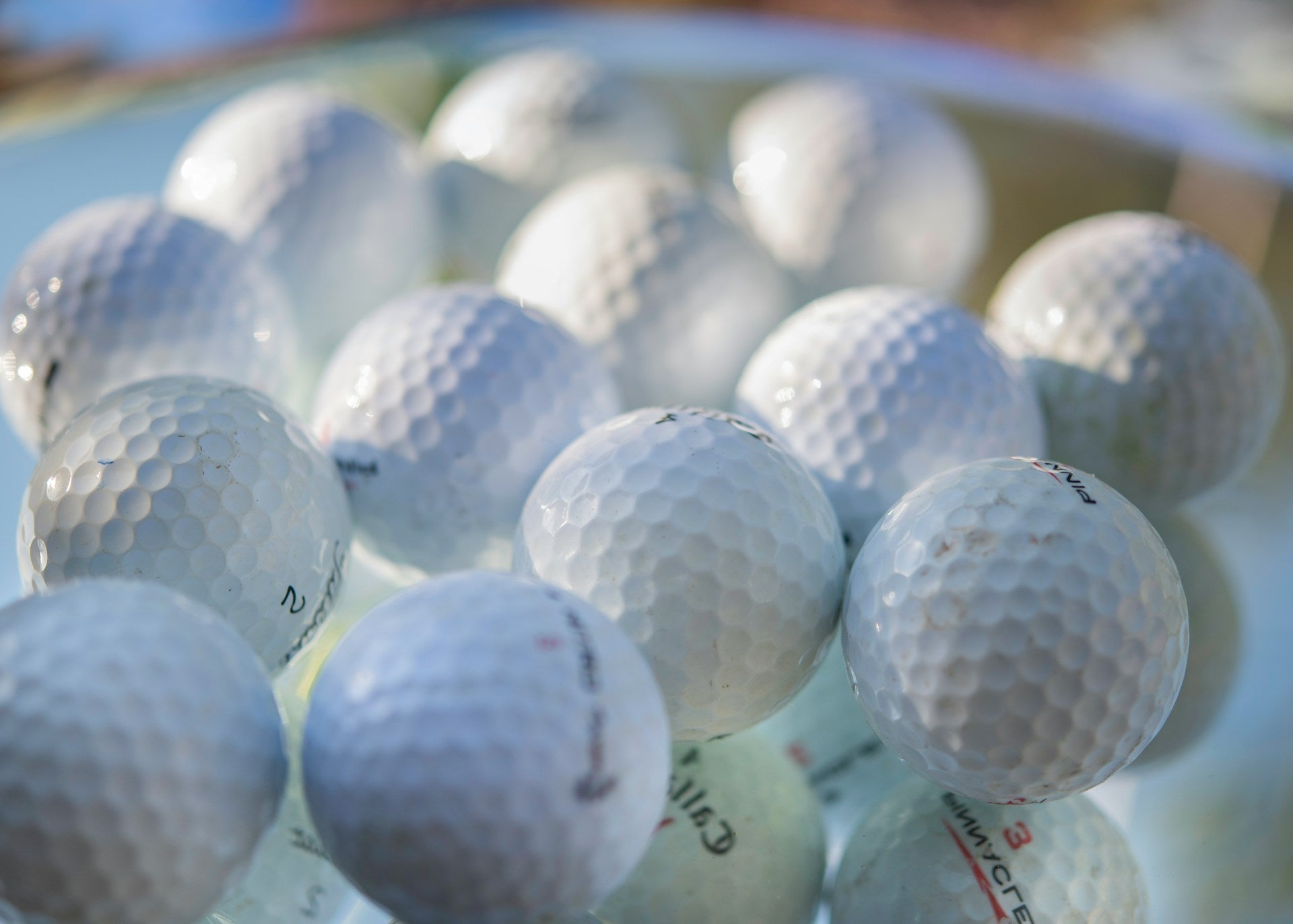
If you want to hit it farther this season, it is not just your driver that matters. The golf ball you put on the tee can add or subtract real yards from every shot. The best golf balls for distance are designed to launch high, spin less off the driver, and keep their speed all the way down the fairway—without turning your short game into a nightmare.
In this guide, we will break down the top distance-focused golf balls for 2026, including standouts like Callaway Chrome Tour, Titleist Pro V1x Left Dash, Callaway Supersoft, Srixon Distance, and TaylorMade Distance+. Along the way, you will learn how swing speed, compression, spin reduction, and cover material work together, and how to choose the right ball for your game and budget.
Whether you are a high‑speed player chasing every extra yard or a moderate swinger looking for more carry, this guide will help you confidently pick the best golf balls for distance that actually fit how you play—especially in real Canadian conditions.
Introduction to Distance Golf Balls
Choosing the right distance golf ball is one of the easiest equipment upgrades you can make, but it is also one of the most misunderstood. Many golfers still grab whatever is on sale at the pro shop or driving range, assuming that “a ball is a ball.” In reality, the construction of a modern golf ball—core, layers, cover material, and dimple design—can change launch, spin, feel, and dispersion in very noticeable ways.
Distance golf balls are specifically engineered to maximize ball speed and optimize launch conditions off the tee. They typically aim for:
-
Lower driver spin to reduce ballooning and side‑spin
-
High initial launch for more carry
-
Efficient aerodynamics to hold speed through the air
For 2026, manufacturers have dialled in these designs using softer cores for moderate swing speeds, firmer constructions for stronger players, and cover materials that keep spin low with the driver but still offer some control with wedges.
In this article, we will walk through the leading distance models, explain the tech in plain language, and give you clear buying criteria. By the end, you will not just know which ball is “longest” in a lab, but which one makes the most sense for your swing, your home course, and even your typical weather—whether you are playing in cool spring rounds in Ontario or hot summer weekends in B.C.
Top Golf Balls for Distance in 2026
Callaway Chrome Tour
Callaway Chrome Tour is widely viewed as one of the best overall golf balls for distance right now because it blends tour‑level performance with serious length. It is not marketed as a pure “distance rock,” but as a complete performance ball that just happens to be very long.
Why it goes so far
-
High‑speed core: The inner core is designed to convert clubhead speed into ball speed efficiently, particularly for medium‑to‑high swing speeds.
-
Low‑spin driver performance: Chrome Tour typically launches with relatively low driver spin compared with many older urethane models, promoting a penetrating ball flight with less curvature.
-
Optimized aerodynamics: The dimple pattern is tuned for a stable trajectory, helping the ball stay in the air longer without ballooning.
Who it suits best
Chrome Tour is ideal for golfers who:
-
Swing the driver in roughly the 95–110 mph range
-
Want distance but will not sacrifice greenside spin and feel
-
Prefer a urethane ball for better control into firm summer greens
If you are upgrading your golf clubs at the same time, pairing a modern low‑spin driver from the golf drivers in Canada range with a ball like Chrome Tour is a smart way to unlock both ball speed and optimal launch.
Titleist Pro V1x Left Dash
Titleist Pro V1x Left Dash has built a reputation as a “distance weapon” for high swing speed players. It is a firmer, lower‑spinning variant of the Pro V1x, originally created for tour players who wanted lower spin off the tee but still liked the Pro V1x flight window.
Why high swing speeds love it
-
Very low driver spin: Left Dash is one of the lower‑spin tour balls available, which helps faster players who tend to over‑spin the ball reduce excess spin and gain distance.
-
High launch + penetrating flight: It combines a high launch profile with flatter, more penetrating apex, which is great in wind—especially on open Canadian courses and links‑style layouts.
-
Firm compression: Its higher compression core responds best to high swing speeds. Slower swingers may not compress it efficiently and might lose some yardage.
Best fit profile
Pro V1x Left Dash is a smart option if:
-
Your driver swing speed is 105+ mph
-
You fight spinny, high drives that climb and stall
-
You want a tour‑calibre ball and accept a firmer feel for more distance
It is also a ball that rewards a consistent strike. If you are still working on centre contact, pairing this ball with a more forgiving driver from the most forgiving drivers selection can help balance the equation.
Callaway Supersoft
Callaway Supersoft is one of the most popular balls among recreational golfers because it is forgiving, easy to launch, and surprisingly long for players with moderate or low swing speeds.
Why it works so well for slower swings
-
Low compression core: Supersoft’s very low compression helps golfers with lower swing speeds actually compress the ball, which boosts energy transfer and carry distance.
-
Higher launch with low driver spin: It is designed to launch easily and with relatively low spin, which means more carry and straighter shots for many mid‑ to high‑handicappers.
-
Exceptionally soft feel: Around the green, the soft cover provides a pleasant, responsive feel, making chips and pitches feel more controlled than many “value distance” balls.
Ideal golfer type
Choose Callaway Supersoft if:
-
Your driver swing speed is under about 90–92 mph
-
You want more carry distance without needing a tour‑firm ball
-
You value soft feel on putts and chips as much as raw distance
If you are new to the game and also shopping for beginner golf sets, pairing a forgiving set with Supersoft is a very friendly combination for learning and gaining confidence off the tee.
Srixon Distance and TaylorMade Distance+
Srixon Distance and TaylorMade Distance+ are two standout options for golfers who want more yards without paying premium‑tour‑ball prices. Both are built as value‑oriented distance balls with firm cores, durable covers, and simple, effective designs.
Srixon Distance
-
Firm, high‑energy core: Built to maximize ball speed for a wide range of swing speeds, especially in the mid range.
-
Surlyn cover: The tough Surlyn shell is highly durable, resisting scuffs when you catch the cart path or trees, and it helps keep driver spin low.
-
Straight flight bias: The ball’s lower spin and dimple pattern are tuned to reduce side‑spin, which can help tame slices or hooks slightly.
TaylorMade Distance+
-
REACT speed core: TaylorMade’s distance core focuses on high ball speed and a strong, stable flight.
-
Low‑drag aerodynamics: The dimple design is optimized to reduce drag, which is helpful in windy conditions and on longer par 4s and 5s.
-
Surlyn cover and firm feel: Like many distance balls, it prioritizes durability and low spin, with a noticeably firm feel off the face.
Comparing Srixon Distance vs TaylorMade Distance+
|
Feature |
Srixon Distance |
TaylorMade Distance+ |
|
Target golfer |
Budget‑minded, all swing speeds |
Budget‑minded, mid swing speeds |
|
Cover material |
Surlyn |
Surlyn |
|
Feel |
Firm |
Firm |
|
Spin profile |
Low driver spin, moderate iron |
Very low driver spin |
|
Strength |
Durability, value, straightness |
Speed, aerodynamics, value |
Both are excellent if you lose a few balls per round or want affordable golf balls without giving up too much performance. If you are looking to stretch your budget further and reduce environmental impact, consider mixing these with recycled golf balls for casual rounds and practice.
Understanding Golf Ball Specifications
The Role of Swing Speed
Swing speed is one of the most important factors in choosing the best golf balls for distance. A ball that is perfect for a 115 mph swing can be a distance killer for someone swinging at 85 mph, and vice versa.
Why swing speed matters
When you strike the ball, your clubhead speed must compress the core. If you do not compress it enough, you lose energy transfer and ball speed. If you massively over‑compress a very soft ball with a fast swing, you can create too much spin and a “floaty” flight.
A rough guideline:
-
Low swing speeds (under ~90 mph)
Benefit from lower compression balls like Callaway Supersoft that are easier to compress, boosting ball speed and carry.
-
Medium swing speeds (~90–100 mph)
Can play a wide range of mid‑compression balls, including many “tour lite” or all‑round distance models such as Chrome Tour or some TaylorMade offerings.
-
High swing speeds (100+ mph)
Usually maximize distance with higher compression balls like Titleist Pro V1x Left Dash, where the firmer core resists over‑compression and helps keep spin controlled.
It is worth noting that many Canadian golfers see swing speed variation through the season. Cooler temperatures and heavier clothing in spring and fall can effectively reduce swing speed, which is one reason some players carry more than one ball model and adjust seasonally.
Importance of Spin Reduction
Spin is a double‑edged sword. You want low spin off the tee for maximum distance and straighter drives, but higher spin around the green for stopping power. Distance balls focus on spin reduction with the driver and longer clubs, yet designers increasingly try to keep enough spin with wedges to avoid “bullet” chips that run forever.
How spin affects distance
-
Too much driver spin:
Leads to high, ballooning shots that stall in the air and come up short. It also amplifies side‑spin, making slices and hooks worse.
-
Optimized (lower) driver spin:
Gives a more penetrating, efficient flight—especially with a high launch angle—maximizing carry and roll.
-
Too little spin with irons/wedges:
Can make it tougher to hold firm greens and control distance on approach shots.
The balls we have highlighted manage spin in different ways:
-
Pro V1x Left Dash: Emphasizes maximum spin reduction off the driver for high swing speeds, which is why it can feel “hot and flat” off the tee.
-
Callaway Chrome Tour: Offers controlled, relatively low driver spin while still giving good iron and wedge spin.
-
Srixon Distance / TaylorMade Distance+: Use Surlyn covers and firm cores to keep spin low for straighter, longer drives.
-
Callaway Supersoft: Balances lower driver spin with a very soft feel, a good match for slower swingers who need extra launch.
If you are not sure how spin is affecting your game, a launch monitor session or a good golf club fitting can reveal whether your current ball‑driver combo is too spinny or too “knuckly.”
Compression and Cover Material
Compression and cover material are often misunderstood, but they are central to how a ball feels and performs.
Compression
Compression is essentially how much the ball deforms at impact. While the exact rating numbers vary by brand, you can think of it in three broad bands:
-
Low compression (very soft) – e.g., Callaway Supersoft
Best for: Slower swing speeds, players who prefer softer feel.
Effect: Easier to compress, potentially more carry for moderate swingers, but can get spinny for very fast players.
-
Mid compression – many all‑round performance balls
Best for: Wide range of golfers.
Effect: Good balance of speed, feel, and control.
-
High compression (firm) – e.g., Titleist Pro V1x Left Dash
Best for: High swing speeds.
Effect: Keeps spin under control at high speeds, rewarding solid strikes with distance and a piercing ball flight.
Cover material: urethane vs Surlyn
Cover material plays a huge role in spin, durability, and feel:
-
Urethane covers (e.g., Callaway Chrome Tour, Pro V1x Left Dash)
-
Softer, more premium feel
-
Higher spin with wedges and short irons for better stopping power
-
Typically more expensive
-
Can scuff more easily than Surlyn
Ideal for players who want a tour‑style ball with both distance and control.
-
Surlyn covers (e.g., Srixon Distance, TaylorMade Distance+)
-
Harder, more durable
-
Generally lower spin off all clubs, great for distance and reducing side‑spin
-
Firmer feel
-
More budget‑friendly
Ideal for players prioritizing value, durability, and lower spin off the tee.
There are also hybrid designs that mix characteristics, but most distance balls aimed at value‑conscious golfers will use Surlyn, while premium distance/control blends will opt for urethane.
If you are trying to decide between soft vs. firm and urethane vs. Surlyn, this deeper breakdown is useful: soft vs hard golf balls differences.
Buying Guide for Distance Golf Balls
Choosing Based on Swing Speed
To pick the best golf balls for distance, start by being honest about your swing speed and contact quality. You do not need exact numbers from a launch monitor, but some realistic self‑assessment will go a long way.
If you have low swing speed (e.g., many beginners, juniors, seniors)
Look for:
-
Low compression
-
Easy launch
-
Softer feel
Best fits in this guide:
-
Callaway Supersoft – Excellent if you struggle to get the ball airborne or feel like everything comes off the face “dead.”
-
Srixon Distance – A bit firmer, but can work well if you want budget distance and durability.
If you have medium swing speed (roughly 90–100 mph driver)
Look for:
-
Mid compression
-
Balanced spin profile
-
Good mix of distance and control
Best fits:
-
Callaway Chrome Tour – Strong option if you want a premium, distance‑forward urethane ball with plenty of control.
-
TaylorMade Distance+ – Great value if you want something longer and firmer without going fully into tour‑ball pricing.
If you have high swing speed (100+ mph)
Look for:
-
Higher compression
-
Lower driver spin
-
Stable, penetrating flight
Best fits:
-
Titleist Pro V1x Left Dash – Standout for very fast swingers chasing max distance and optimized spin.
-
Callaway Chrome Tour – Also solid for many high‑speed players who still want more short‑game spin than a pure distance ball offers.
As your game progresses, remember that golf ball choice should evolve alongside your golf irons and golf wedges. When your approach play and short game sharpen, you may find yourself trading a little raw distance for more control and consistency.
Balancing Distance with Control
Pure distance is fun, but there is a point where gaining five yards off the tee is not worth losing the ability to hit and hold more greens. The right ball for you blends distance with enough control to score.
Here is how to think about that balance:
1. Assess where you are losing strokes.
If you miss a lot of fairways and lose balls off the tee, a low‑spin distance ball (Srixon Distance, TaylorMade Distance+) might help tighten dispersion and add roll. If you generally find the fairway but cannot stop wedges on the green, a urethane ball (Chrome Tour, Pro V1x Left Dash) will likely help more.
2. Consider course conditions.
On soft Canadian courses in spring, carry distance is more valuable than roll, and you can often get away with a slightly lower‑spinning ball around the green. In firm summer conditions, you may want more spin to hold faster greens.
3. Think about your short game habits.
If you play mostly bump‑and‑runs and low chips, you may not need maximum spin. If you like hitting higher, softer pitches, urethane will make those shots much easier.
4. Budget and ball loss rate.
If you are losing multiple balls per round, it is often smarter to play a value distance ball and invest saved money into lessons or golf training aids. As your ball‑striking improves, you can upgrade to premium urethane models without fear of constantly feeding the woods.
A practical strategy many golfers use is:
-
Primary ball: A balanced performer like Chrome Tour for regular rounds and competition.
-
Secondary ball: A value distance ball like TaylorMade Distance+ for windy days, casual play, or courses with lots of hazards where losing balls is more likely.
Additional Insights and Considerations
Environmental Impact
The environmental impact of golf balls is becoming a more serious consideration, especially with the number of balls lost in water hazards, forests, and rough every season. Golf balls are not biodegradable in any reasonable timeframe, and both urethane and Surlyn covers contribute to long‑lasting plastic waste.
Here are practical ways to reduce impact without sacrificing performance:
-
Use recycled or used golf balls for casual rounds.
Reconditioned balls allow you to reuse existing inventory instead of buying brand‑new every time. This is particularly useful for high‑loss courses and practice rounds. Eco‑minded golfers in Canada can opt for eco‑friendly golf balls from the recycled golf balls selection.
-
Practice with older balls.
Save your newer, premium balls for competition or your serious weekend rounds. Use scuffed or older balls when working through a bucket at the range or playing a relaxed twilight nine.
-
Be mindful on range sessions.
While you may not control range balls, improving your fundamentals with help from golf swing trainers can reduce wild misses on the course, meaning fewer balls end up permanently lost in environmentally sensitive areas.
-
Local rules and water hazards.
On some community or municipal courses in Canada, there may be local efforts to retrieve balls from ponds more regularly. Participating in or supporting such initiatives is another way golfers can reduce the game’s footprint.
While the industry is still developing truly greener ball technologies, being thoughtful about what you play in which situations is a very real step individual golfers can take right now.
Customization and User Experiences
Customization has become a big part of golf ball buying—both for performance tweaks and for simple, practical reasons like visibility and identification.
Customization options to consider
-
Personalized markings and logos:
Printing your initials, a small logo, or a unique play number on your ball makes it easy to identify in a group and can give a small confidence boost when you see “your” ball on the tee.
-
High‑visibility colours:
If you play a lot of fall golf in Canada or in low‑light conditions, coloured balls (yellow, orange, matte finishes) can make it easier to track the ball in the air and find it in the rough or leaves.
-
Alignment aids:
Some balls offer built‑in alignment lines to help with putting and tee aiming. Many golfers find a strong visual aid helps with consistency on the greens without needing extra gear.
Real‑world user experiences
While lab tests and marketing charts are useful, golfers’ actual experiences matter just as much:
-
High swing speed players often report that Pro V1x Left Dash feels firmer but noticeably longer and straighter off the tee compared with softer tour balls, especially in windy conditions.
-
Recreational players with moderate swings frequently describe Callaway Supersoft as both “easy to hit” and “straight,” with a feel that encourages them to be more aggressive on chips and putts.
-
Golfers switching from basic range‑type balls to Srixon Distance or TaylorMade Distance+ typically notice a firmer feel but also a more “powerful” flight and improved durability, which can be reassuring when you play tree‑lined courses.
As with golf apparel and golf shoes in Canada, there is a personal element to what feels right to you. Ideally, you should test a short list of balls on your home course over several rounds. Pay attention not just to your longest drive, but to how often you are in a better position off the tee and how consistently you can control your approaches and short game.
FAQ: Best Golf Balls for Distance
1. What are the best golf balls for high swing speeds?
Titleist Pro V1x Left Dash and Callaway Chrome Tour are excellent choices for high swing speeds due to their low spin and penetrating flight. Pro V1x Left Dash in particular is tuned for very high compression and low driver spin, ideal for players who swing hard and generate plenty of speed. Chrome Tour offers a similar distance‑forward profile with a slightly softer feel and strong greenside control.
2. How does compression affect golf ball distance?
Compression affects how efficiently your swing speed is converted into ball speed. Higher compression balls are better for high swing speeds, as they resist over‑compression, control spin, and produce a stronger, more penetrating flight. Lower compression balls suit slower swing speeds because they are easier to compress, generating more ball speed and carry. If your ball feels “dead” off the face, you may be using a ball with too high a compression for your swing.
3. Are urethane-covered golf balls better for distance?
Urethane‑covered balls are not automatically longer, but they often provide the best balance of distance and greenside control for skilled players. Their cores and multi‑layer construction are usually tuned to deliver high ball speed and optimized driver spin, while the urethane cover adds spin and feel around the green. If your priority is pure distance at a lower price, Surlyn‑covered balls like Srixon Distance or TaylorMade Distance+ may be a better fit; if you want both distance and shot‑making ability, urethane balls like Chrome Tour are ideal.
4. Can I customize my golf balls for better performance?
You cannot dramatically change core compression or construction through customization, but you can choose models and setups that enhance your performance. Many brands offer customizable prints, numbers, and alignment markings, which can help with identification and putting alignment. You can also pick specific colours or finishes that improve visibility based on your typical playing conditions. Performance‑wise, your biggest gains come from choosing the right ball model for your swing speed and spin profile, not from cosmetic customization.
5. Do distance golf balls sacrifice feel and control?
Older‑generation distance balls often felt hard and sacrificed a lot of greenside control. Modern designs have narrowed that gap. While distance‑focused balls (especially Surlyn models) still prioritize low spin and durability off the tee, many provide a reasonable level of feel and control around the green. Premium models like Callaway Chrome Tour and even firmer tour‑distance balls like Pro V1x Left Dash are designed to give you both distance and enough spin to hold firm greens. You may give up a little finesse compared with the softest tour balls, but not nearly as much as in the past.
Final Thoughts
Finding the best golf balls for distance in 2026 is not about chasing whatever a robot hit the farthest; it is about matching compression, spin, and cover material to your swing and the courses you play. High swing speed players will often unlock their best numbers with firmer, lower‑spin urethane balls like Titleist Pro V1x Left Dash or Callaway Chrome Tour. Moderate and slower swingers frequently see better results with low‑compression options like Callaway Supersoft or value‑driven distance models such as Srixon Distance and TaylorMade Distance+.
Along the way, it pays to think beyond raw yardage: spin reduction, short‑game control, environmental impact, and even customization and visibility can all shape your overall performance and enjoyment. Testing a couple of contenders over several rounds, tracking not just your longest drives but your average position and scoring, is the most reliable way to lock in your ideal ball.
When you are ready to compare models side‑by‑side, explore a range of golf balls in Canada, including both new and premium and recycled golf balls, and pair your choice with well‑matched golf clubs and golf accessories. With the right setup in your bag—and the right ball on the tee—you will give yourself the best chance to hit it longer, straighter, and lower your scores this season.